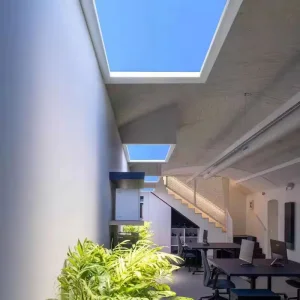
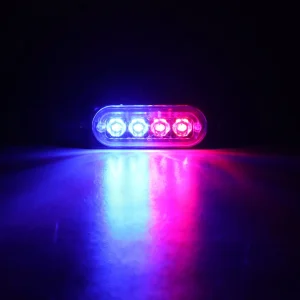
Premium spectral-engineered and warning lighting systems adapted for Busan's advanced municipal infrastructure and wellness zones.
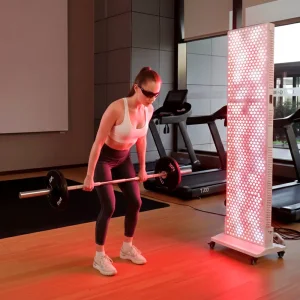
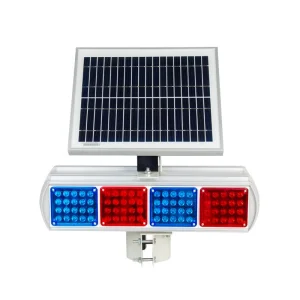
As South Korea’s second-largest metropolis and the world’s fifth busiest container port, Busan represents a critical node of high-intensity maritime, industrial, and urban operations. Within these continuous, 24/7 operating cycles, the mitigation of high-energy visible (HEV) blue light (wavelengths between 400nm and 480nm) has transitioned from an elective wellness feature to a strict operational safety and public health mandate. From the heavy shipbuilding complexes of Yeongdo to the futuristic residential quarters of the Busan Eco Delta City, tailored optical solutions are required to balance human safety with mechanical efficiency.
Busan’s heavy industry hubs, including the Noksan National Industrial Complex and Mieum Complex, rely on high-precision environments where visual acuity is paramount. However, intense blue light emission from high-wattage LED high-bays, welding terminals, and display consoles poses a documented threat of photo-induced retinal injury (known as the Blue Light Hazard, outlined in IEC 62471). Prolonged exposure to raw blue wavelengths induces cumulative oxidative stress on retinal pigment epithelial cells.
To counter this, Ningbo Gravity Light Manufacturing Co., Ltd. provides certified low-HEV COB technology and spectral-shifting filters. By engineering optoelectronic structures that selectively suppress the 415-455nm hazard peak while preserving critical color rendering index (CRI > 90) metrics, we ensure industrial plants can maintain peak performance without subjecting operators to chronic fatigue or circadian disruptions.
In municipal and residential developments like Busan Centum City and the Eco Delta City pilot, Human Centric Lighting (HCL) is integrated directly into the architectural blueprints. Under natural conditions, solar spectra shift throughout the day, regulating the human circadian cycle via melanopsin-containing photosensitive retinal ganglion cells (ipRGCs). Standard LEDs feature a sharp blue excitation peak at 450nm which tricks the body into maintaining daytime alertness, leading to insomnia, metabolic imbalances, and reduced productivity.
Our mitigation solutions utilize custom phosphors and multi-channel LED drivers to dynamically adjust the Circadian Stimulus (CS) factor. During peak daytime hours, light is engineered to promote focus; as evening approaches, the spectral distribution drops the blue component to under 1% of total output, facilitating natural melatonin synthesis. This is particularly vital for Busan's shift workers in the maritime and logistics sectors who rely on precise circadian realignment between shifts.
For procurement officers in Busan, sourcing components from Ningbo Gravity Light Manufacturing Co., Ltd. combines advanced Chinese manufacturing efficiencies with elite engineering and rapid geographic proximity.
Specialized Chip-on-Board configurations allowing localized blue-attenuation at the packaging stage.
Semiconductor innovation ensuring zero-defect standards and international patent-backed designs.
Certified products conforming to KC, RoHS, CE, ETL, and PSE parameters for seamless customs clearance.
Ningbo Port to Busan Port logistics, shortening transit times to under 3 days for urgent maritime projects.
Awarded the prestigious China National High-Tech Enterprise certification in 2021, Ningbo Gravity Light has established itself as an industry benchmark in semiconductor innovation, high-end COB packaging, PCB circuit designs, and intelligent lighting architectures. Over the past two decades, we have partnered with key global distributors and municipal contractors to supply highly secure, energy-efficient, and biologically compatible illumination systems.
Our commitment is centered on the principle of "High Quality, Zero Defect", executing strict QA protocols from material selection to optoelectronic testing, offering Busan's buyers unparalleled consistency and performance.
Engineered for industrial safety, marine application, and commercial environments in Busan.
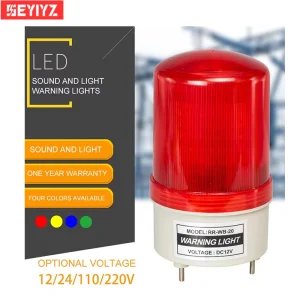
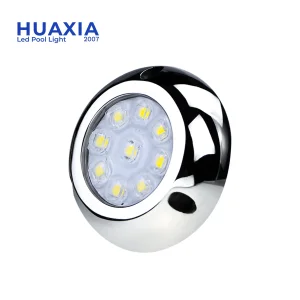
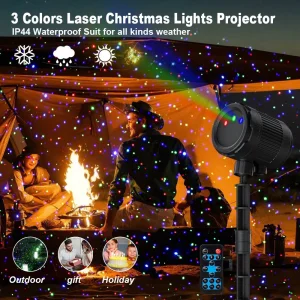
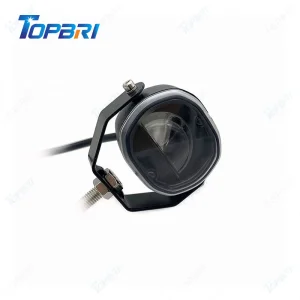
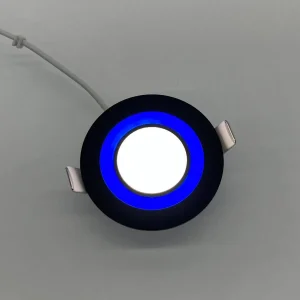
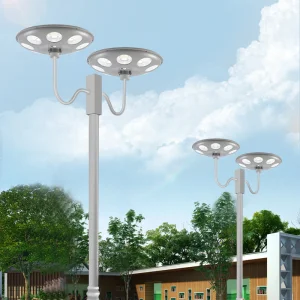
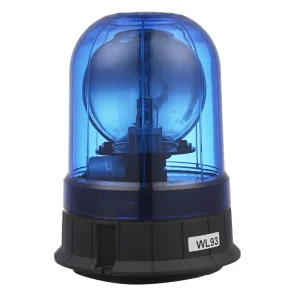
Navigating South Korea's optical testing and electrical compliance infrastructure requires deep familiarity with local frameworks. Any LED luminaire, warning light, or circadian panel entering Busan must meet the standards set forth by the Korea Agency for Technology and Standards (KATS). Specifically, electrical safety certification (KC safety) and electromagnetic compatibility registration (KC EMC) are absolute prerequisites.
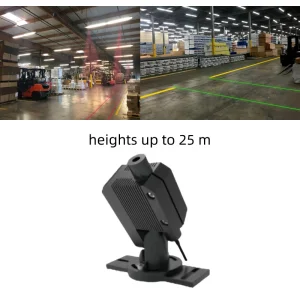
Furthermore, because industrial lasers (such as our high-intensity 25m gantry crane boundary lights) are used directly alongside maritime crews in Yeongdo and Nam-gu, they must strictly align with safety classes. We prioritize keeping lasers within Class 2 or Class 3R designations for industrial projection, preventing accidental ophthalmic hazards. For human safety, our indoor dimmable panels undergo strict spectral radiometry evaluations, verifying that photobiological hazards fall well into the Exempt (RG0) or Low Risk (RG1) groups under KC 62471 standards.
Complete blockage of blue light is counterproductive as it disrupts normal vision and color discrimination (crucial in industrial wiring and signaling). Mitigation involves spectral engineering: removing only the specific high-energy hazardous wavelengths (415-455nm) that trigger oxidative stress and photoreceptor damage, while allowing the therapeutic and visual-friendly wavelengths (460-490nm) to pass through.
Yes. Our safety systems, including the gantry crane laser line lights and forklift warnings, are IP65/IP66 rated. They feature ruggedized corrosion-resistant housings engineered to withstand marine salt air, continuous vibration, and extreme temperature fluctuations common to the coastal regions of Busan.
Due to the short geographical distance, ocean freight from Ningbo Port to Busan Port takes approximately 2 to 3 days. Standard customs clearance and local trucking within Busan's industrial parks (such as Noksan or Mieum) typically require an additional 2 days, making it a highly responsive supply chain loop.
We provide full laboratory documentation, including IECEE CB test reports, spectral distribution data, and electrical safety certificates. Our engineering team works alongside your local Korean importing agency to ensure smooth filings through South Korea's testing institutes (e.g., KTR, KTL).
 Gravity Light