In 2026, choosing the right lighting can transform a space. Many homeowners are left wondering, "Why use track lighting instead of recessed lights?" Industry expert Sara Blake, a renowned interior designer, emphasizes, "Track lighting offers versatility and focus that recessed lights simply cannot match."
Track lighting allows for easy direction adjustments. This feature makes it ideal for showcasing artwork or architectural details. Recessed lights often lack this flexibility, creating a static lighting situation that can feel uninspiring. Individuals must consider their specific needs when selecting fixtures.
While track lighting has its advantages, it is essential to acknowledge a few drawbacks. Some find the visible track and fixtures less aesthetically pleasing than recessed lights. However, with the right design approach, track lighting can be both functional and stylish. Ultimately, the choice hinges on personal preferences and the desired ambiance of the space.
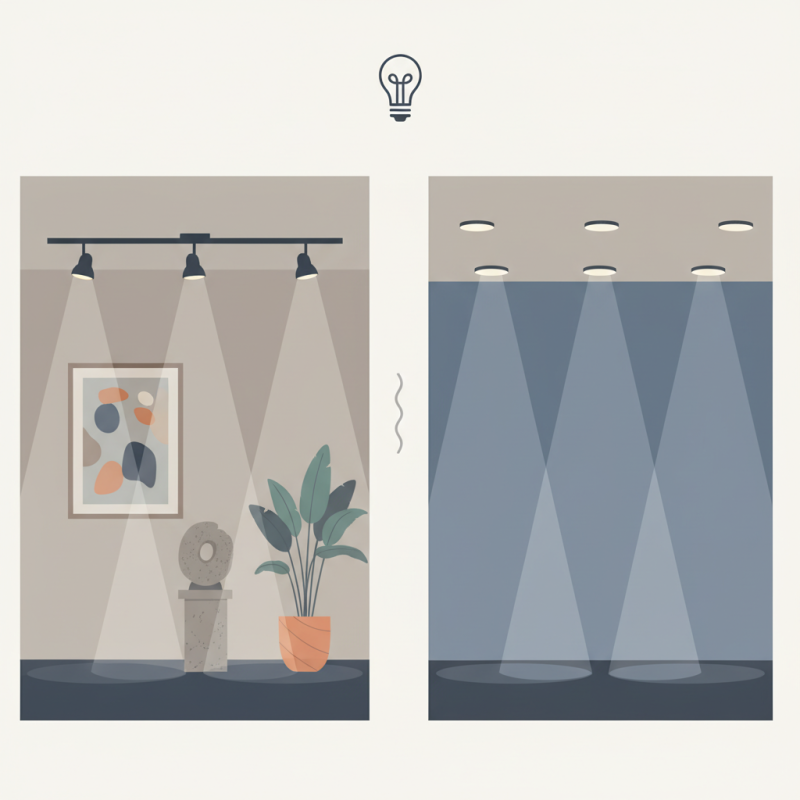
Benefits of Track Lighting Compared to Recessed Lights in Modern Spaces
Track lighting is gaining popularity over recessed lights in modern spaces for several compelling reasons.
According to the latest report from the National Lighting Bureau,
track lighting allows for greater flexibility in design and functionality. Designers can easily adjust the direction of the lights
to highlight specific artworks or architectural features in a room. This adaptability
is essential in contemporary homes that prioritize personalized aesthetics.
Moreover, track lighting offers the opportunity for layering different types of light. A 2023 study
by the American Lighting Association found that 68%
of interior designers prefer track lighting for its ability to combine ambient and accent lighting. This combination can create
a dynamic atmosphere, making spaces feel more inviting. However, track lighting does have its downsides.
Unmanaged track systems can lead to clutter or an uncoordinated look,
which may detract from the overall design.
The ease of installation and maintenance is another advantage.
Unlike recessed lights, which require cutting into ceilings and extensive wiring, track systems can often be mounted directly
onto walls or ceilings. This simplicity appeals to DIY enthusiasts.
Yet, one must consider that frequent changes to track configurations might
be necessary, leading to potential costs over time. Each lighting solution has its challenges, but in many aspects,
track lighting stands out for modern living.
Flexibility and Versatility of Track Lighting in Home Design
Track lighting offers incredible flexibility for home design. Unlike recessed lights, track systems can be easily adjusted and repositioned. This adaptability allows homeowners to create dynamic lighting setups that highlight artwork or illuminate different areas of a room. You can switch the angle or direction of the lights to suit your needs, making it a versatile option for any space.
Moreover, track lighting systems come in various designs and finishes. This variety ensures a seamless match with any interior style. They can blend with modern aesthetics or provide an industrial vibe. However, it’s worth noting that improper installation can lead to uneven lighting. Consider the layout carefully before installation to avoid regrettable mistakes.
One advantage is the ease of adding new fixtures. If your needs change, you can introduce additional lights without major renovations. Yet, be cautious with too many fixtures, as this can create a cluttered look. Balance and simplicity are key. In the right hands, track lighting can transform a space with elegance and functionality.
Aesthetic Appeal: How Track Lighting Enhances Interior Decor
Track lighting has emerged as a stylish alternative to recessed lights in modern interiors. Its versatility allows for various layouts and adjustments, making it ideal for different spaces. Unlike recessed lights, track lighting can be repositioned easily. This adaptability enhances not only functionality but also aesthetic appeal.
With track lighting, you can direct light exactly where it’s needed. For instance, highlighting a piece of artwork on the wall amplifies its charm and draws the eye. The sleek, minimalist design of track fixtures blends seamlessly into any decor style, from industrial to contemporary. It creates an engaging atmosphere, contrasting sharply with the often subdued look of recessed lights.
However, one might wonder about the balance of form and function. Overusing track lighting could lead to a cluttered appearance. Not all spaces benefit equally from it either; some may feel overwhelmed by multiple fixtures. Thoughtful placement is vital. A well-considered design can elevate the overall feel of a room, making it feel polished yet inviting.
Why Choose Track Lighting Over Recessed Lights in 2026? - Aesthetic Appeal: How Track Lighting Enhances Interior Decor
| Feature |
Track Lighting |
Recessed Lights |
| Flexibility |
High: Easily adjustable and repositionable |
Low: Fixed position after installation |
| Aesthetic Variety |
Wide range of styles and finishes available |
More uniform and minimalistic appearance |
| Installation Cost |
Moderate; easier to install with lower overhead |
Higher; often requires professional installation |
| Light Distribution |
Targeted light; great for highlighting specific areas |
Even light; less control over specific areas |
| Energy Efficiency |
LED options available; variable energy use |
Typically energy-efficient but can vary |
Cost-Effectiveness and Installation Advantages of Track Lighting
Track lighting has gained popularity in 2026 for various reasons, especially its cost-effectiveness and ease of installation. Compared to recessed lights, track lighting often requires less budget for both materials and labor. The initial purchase price is typically cheaper, allowing homeowners to allocate funds to other design aspects. Installation is a simpler task. Users can mount track lighting without needing extensive construction or electrical changes.
One significant advantage is flexibility. You can adjust track lights to focus on specific art pieces or areas of interest. This adaptability allows for creating unique atmospheres in different rooms. Homeowners can also change the positioning of the lights without much hassle. This flexibility opens design possibilities that recessed lights simply can’t match.
Tip: Always consider the layout before installation. Think about where you want the light to shine. Mapping out the room can prevent unnecessary adjustments later.
Another aspect worth considering is maintenance. Track lighting systems often require less upkeep than recessed lights. Bulbs are easier to access. Swapping out a burnt bulb can be done quickly. This straightforward maintenance could save time and frustration over the years.
Tip: Use LED bulbs for longevity. They consume less energy and last significantly longer than traditional bulbs. This choice enhances cost-effectiveness over time.
Energy Efficiency: Comparing Track Lighting and Recessed Lighting Options
When contemplating the energy efficiency of track lighting versus recessed lights in 2026, several factors come into play. Track lighting systems allow for flexible positioning of bulbs, which can direct light where it’s needed most. This targeted approach reduces wasted energy. Recessed lights, while sleek, often stay fixed and may require more power to illuminate a larger area.
Choosing LED bulbs for both lighting options significantly enhances energy efficiency. LED bulbs consume less energy and last longer than traditional incandescent bulbs. They also produce less heat, contributing to a cooler environment. However, track lighting systems may require multiple bulbs, potentially increasing energy usage if not planned correctly.
Tips: Aim for a layout that minimizes the number of bulbs needed. Focus on high-traffic areas to get the most value from your lights. Evaluate whether a few powerful track lights could replace multiple recessed fixtures. This reflection can help optimize both energy consumption and aesthetic appeal. Remember, energy efficiency goes hand in hand with thoughtful design.
Why Choose Track Lighting Over Recessed Lights in 2026?
This chart compares the energy efficiency of track lighting versus recessed lighting for the year 2026, measured in kilowatt-hours (kWh) per year. Track lighting is shown to consume 120 kWh, while recessed lighting consumes 150 kWh, highlighting the energy-efficient advantage of track lighting.
Conclusion
In the article titled "Why Choose Track Lighting Over Recessed Lights in 2026?", the author explores the numerous advantages of track lighting in modern home design. One of the primary reasons to consider "why use track lighting instead of recessed lights" is the unparalleled flexibility and versatility it offers. Homeowners can easily adjust the positioning of lights to highlight specific areas, allowing for personalized lighting solutions that adapt to various needs.
Moreover, track lighting adds aesthetic value to interior decor, creating a contemporary ambiance that can enhance any room's design. The article highlights the cost-effectiveness and simpler installation processes associated with track lighting, making it an attractive option for those looking to update their spaces. Finally, energy efficiency is addressed, comparing the power consumption of both lighting options and demonstrating track lighting's potential benefits. Together, these factors make track lighting a compelling choice for homeowners in 2026.

 Gravity Light