When considering home design, lighting is crucial. Many homeowners face a decision: "Why use track lighting instead of recessed lights?" Track lighting offers flexibility and control. It allows you to highlight specific areas or artwork. This adaptability is not something recessed lights can provide.
Track lighting systems can be adjusted and repositioned easily. You can change the direction of the light or add new fixtures as needed. This makes track lighting a dynamic option for evolving spaces. In contrast, recessed lights are often fixed in place. Once installed, they limit your ability to customize lighting arrangements.
Moreover, track lighting can enhance the style of a room. It presents a contemporary look and adds character to spaces. While some may argue that recessed lights have a clean appearance, they can appear bland. Choosing track lighting opens up creative possibilities. It invites reflection on how we illuminate our lives and spaces.
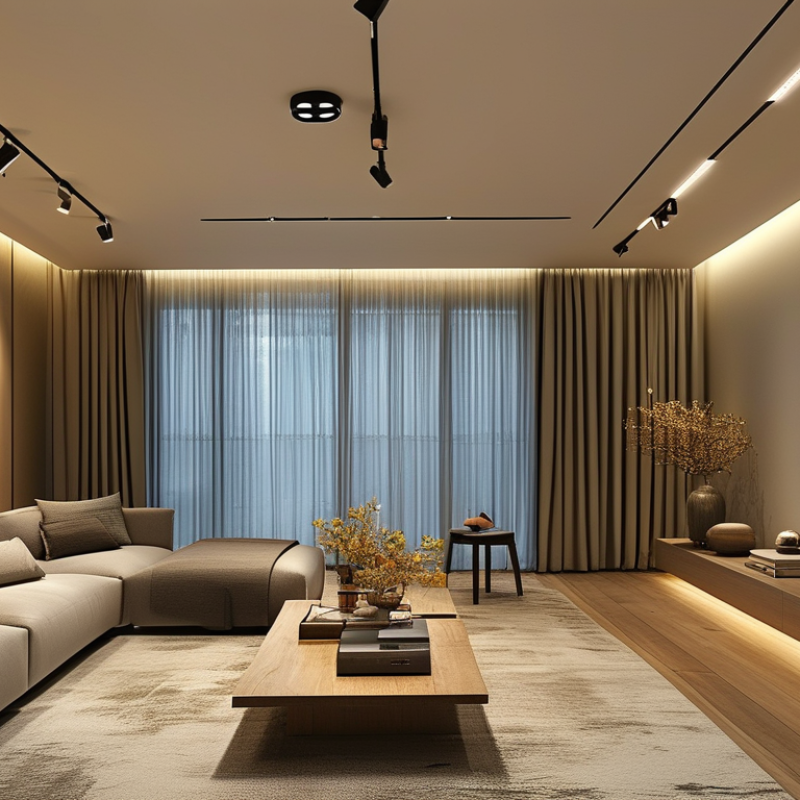
Track lighting offers unique advantages that enhance both functionality and aesthetics in home design. One of the key benefits is its flexibility. You can easily adjust the direction of individual lights to highlight specific areas or artwork. This adaptability creates a dynamic atmosphere in any room. Unlike recessed lighting, which is fixed, track lighting can evolve with your changing decor.
Lighting also plays a crucial role in setting the mood. With track lighting, you gain control over the intensity and focus of light. This feature is especially beneficial in spaces like kitchens and living rooms, where different tasks require varied lighting. You might find that softer lighting works best for relaxation, while brighter spots are essential for cooking or reading.
When considering track lighting, reflect on how often you rearrange your space. If you frequently change your home layout, track lighting can keep up with your style. You might also experiment with different bulb types to find the perfect hue. This process can be trial and error—sometimes the result could be less than expected. Ultimately, the beauty of track lighting lies in its ability to adapt and grow with your home.
Track lighting has become a popular choice in modern home design. Its versatility allows for creative configurations. Homeowners can easily adjust fixtures along the track. This makes it simple to highlight artwork or architectural features. You can rearrange lights whenever you wish. This adaptability sets track lighting apart from recessed options.
Track lighting comes in various styles and finishes. This variety means it can fit different aesthetics—from minimalist to industrial. Changing the look of a room is easy. Just swap out the fixtures to match the season or mood. However, design can be subjective. Some may find track lighting disruptive to a clean look. Others appreciate the added dimension it offers.
Lighting placement is key in achieving the desired outcome. Overhead track lights can create shadows or draw attention to certain areas. Testing different configurations could improve overall lighting quality. It's worth experimenting a bit. Finding the perfect balance can be challenging. Nevertheless, embracing this flexibility can lead to an inviting, well-lit space.
| Feature | Track Lighting | Recessed Lights |
|---|---|---|
| Versatility | Highly versatile; can be adjusted for different angles and positions | Limited in positioning; fixed once installed |
| Installation Complexity | Easier to install; can be mounted on walls or ceilings | More complex; requires cutting into ceilings |
| Aesthetic Options | Available in many designs, colors, and styles | Minimalistic, less decorative options available |
| Maintenance | Easy to change bulbs and adjust fixtures | Difficult to access; requires ceiling repairs for maintenance |
| Lighting Flexibility | Easily repositioned for different lighting needs | Fixed position; limited to the original design |
Track lighting and recessed lighting each offer unique benefits for home design. Track lighting stands out with its flexibility. It can be adjusted and moved, providing customizable options for illuminating specific areas. Recessed lighting, on the other hand, offers a cleaner look. It blends into the ceiling, creating an unobtrusive effect. This choice often works well in modern designs.
When considering energy efficiency, track lighting can be enhanced with LED bulbs. This can lower electricity bills while providing ample light. Recessed lights may offer efficiency, too, but their installation can be more complex. Sometimes, you may need multiple fixtures to achieve desired lighting, leading to potential energy waste.
It’s essential to think about room size when choosing between these two options. In smaller spaces, track lighting can create a sense of openness. It allows for selective illumination without overwhelming the area. If you are creating a cozy atmosphere, consider accenting artwork or features with track lights. For larger rooms, blending both options might offer the ideal balance. Use recessed lighting for general illumination and track lighting to highlight specific features.
Track lighting offers a flexible installation compared to recessed lights. It is easier for homeowners to position. You can adjust it based on your changing needs. Recessed lights require more effort and planning. You must cut into ceilings, install housing, and carefully measure spacing. This can become a complex project for many.
Maintaining track lighting is generally simpler. If a light bulb burns out, you can replace it quickly. You can even switch out fixtures for different lighting styles. Recessed lights, on the other hand, often require extra effort for bulb replacement. Access to ceiling fixtures can be awkward and may need tools. Both options have their pros and cons, but track lighting often wins for ease and adaptability.
Some may worry that track lights feel less integrated into decor. This is a valid concern to think about. However, their versatility allows homeowners to highlight artwork or create ambiance in various rooms. A balance of comfort and style is essential in home design.
Track lighting offers a unique aesthetic that recessed lights often cannot match. With its visible fixtures, track lighting provides a dynamic visual element. It allows homeowners to showcase artwork or highlight architectural features. The installation flexibility is a significant advantage. You can change the direction of the light and adapt it to various spaces.
Recessed lights are often more subtle. They blend into the ceiling, creating a minimalist look. However, this sleek design may lack personality. A room with only recessed lighting can feel flat. Adding track lighting injects character and dimension into your home. It serves as a conversation starter.
Choosing between these two styles can be daunting. What works in one room may not work in another. Consider the ambiance you wish to create. Or think about the purpose of the lighting. Take time to experiment with different designs. Reflect on the atmosphere you want to achieve. Embracing imperfection in your lighting choice leads to a personalized space.
: Track lighting offers flexibility. You can adjust the direction of lights to highlight specific areas.
It allows control over light intensity and focus, catering to different tasks and moods.
Yes, its design is adjustable, making it suitable for evolving home styles.
Kitchens and living rooms benefit greatly, as they require varied lighting for different activities.
They can try different bulb types and arrangements to achieve the desired effect.
Yes, it comes in various styles, fitting both minimalist and industrial aesthetics.
Some may consider it disruptive to a clean look, which can be a matter of personal taste.
Proper placement is vital; it can create shadows or highlight specific areas effectively.
Experimentation is key; finding the right balance can be challenging but rewarding.
Absolutely! Swapping fixtures can refresh the look to match the season or mood.
Track lighting offers several advantages over recessed lights, making it an appealing choice for home design. One key reason to consider track lighting is its versatility and flexibility; it allows homeowners to easily adjust the direction of light sources to highlight specific areas or features in a room. Unlike recessed lights, which provide fixed illumination, track lighting can be reconfigured to suit changing needs or aesthetics.
When comparing installation and maintenance, track lighting generally proves to be less intrusive and easier to manage, as it often requires simpler modifications to existing ceilings. Finally, in terms of aesthetic appeal, track lighting can serve as a decorative element, adding character and style that recessed lights may lack. Overall, understanding "why use track lighting instead of recessed lights" highlights its multifunctional benefits and adaptability in interior spaces, making it a worthwhile consideration for modern home design.

Gravity Light