In recent years, the shift towards energy-efficient lighting has gained momentum. Industry expert Dr. Emily Carter states, "Transitioning to motion sensor lighting is not just about saving energy; it's about enhancing safety." This raises the question: Why transition from incandescent to motion sensor lighting?
Motion sensor lighting offers numerous benefits. It reduces energy consumption significantly by activating only when movement is detected. This not only saves money but also contributes to environmental sustainability. Imagine walking into your garage or garden, and the lights pulsate on as you approach. This level of convenience is unmatched by traditional incandescent bulbs.
However, some may question the reliability of motion sensors. They can sometimes malfunction or fail to detect movements. Choosing the right system involves careful consideration of placement and sensitivity settings. Balancing convenience with potential limitations is crucial for this transition. Ultimately, understanding the value of motion sensor technology can lead to smarter lighting choices that benefit both homeowners and the planet.
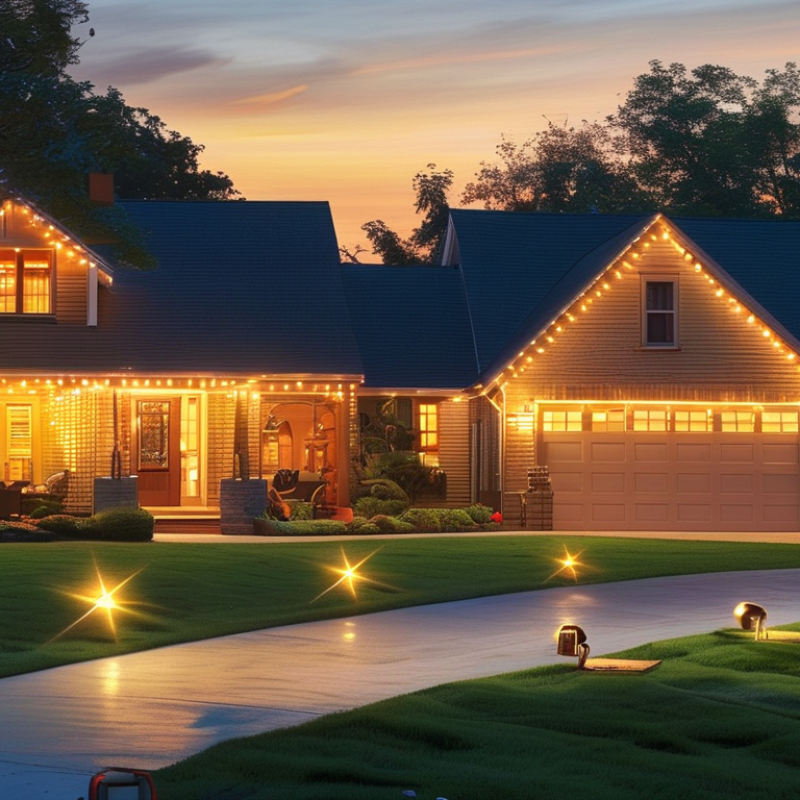
Benefits of Motion Sensor Lighting Over Traditional Incandescent Bulbs
Motion sensor lighting presents a significant advantage over traditional incandescent bulbs. These modern fixtures activate when motion is detected. This means they provide light only when necessary, reducing energy consumption. You can enjoy well-lit areas without worrying about constant bulb replacements. Motion sensors can be a smart choice for both homes and businesses.
Unlike incandescent bulbs, which consume more energy, motion sensor lights promote efficiency. They can help lower your electricity bill. Additionally, they tend to have longer lifespans than conventional bulbs. This not only simplifies maintenance but also reduces waste. However, there might be occasional glitches in sensitivity settings. Users should ensure sensors are calibrated properly for optimal results.
The convenience of motion sensor lighting is tangible. Imagine walking into a room, and the lights automatically illuminate. It’s not just convenient; it enhances safety. Still, consider factors like installation costs and the required adjustments in some environments. It’s essential to weigh these aspects while contemplating the switch.
Energy Efficiency: Comparing Energy Consumption of Motion Sensors vs. Incandescents
Energy efficiency is crucial in today's world. Traditional incandescent bulbs consume a lot of energy. They typically use 60-100 watts per bulb. In contrast, motion sensor lights are known to save energy efficiently. These systems can reduce power consumption by up to 80%. Reports indicate that using a motion sensor can lower energy costs significantly.
Consider an example: if your outdoor lighting is on for 8 hours a day, using incandescent bulbs can lead to hefty electricity bills. By switching to motion sensors, the lights only activate with movement, saving energy during inactivity. According to the U.S. Department of Energy, replacing incandescent lights with LED motion sensors can result in an overall decrease in household energy use by 20-30%.
However, not all installations are perfect. Some homeowners find that overly sensitive sensors lead to unwanted activations. This can be frustrating and wasteful. Additionally, the upfront cost of motion sensor systems can be a barrier. Yet, the long-term savings often outweigh these initial investments. We must weigh both benefits and challenges carefully.
Cost Savings: Long-Term Financial Impact of Switching to Motion Sensor Lighting
Switching from incandescent to motion sensor lighting can significantly impact your finances over time. Traditional incandescent bulbs are energy-intensive and have shorter lifespans. Over the years, the costs of replacement and electricity can add up.
In contrast, motion sensor lights operate only when needed, reducing unnecessary energy consumption.
Consider a typical household with outdoor lighting. If these lights are left on for hours, the electricity bill can skyrocket. With motion sensors, the lights activate upon detecting movement, leading to substantial savings.
Estimates show that using motion sensors can decrease energy costs by over 30%.
However, motion sensor lighting does come with its challenges. Installation might require professional help. Some sensors inadvertently trigger with wind or pets. This could lead to minor annoyances.
Yet, the long-term savings often outweigh these concerns. Smart choices today can lead to significant financial relief tomorrow.
Enhanced Security: How Motion Sensor Lights Deter Crime Effectively
Motion sensor lights significantly enhance security by deterring potential criminals. According to the Urban Institute, properties with motion-activated lighting experience a 40% decrease in break-ins. This remarkable statistic emphasizes the psychological deterrent effect of these lights. When criminals perceive the possibility of being detected, they are more likely to abandon their plans. The sudden illumination draws attention, increasing the risks associated with their actions.
Moreover, a study by the National Institute of Justice found that outdoor lighting can reduce crime by nearly 30%. Motion sensor lights provide the advantage of energy efficiency as well. They only activate when someone is present, allowing users to save on electricity bills. However, the effectiveness of these systems can vary. Sometimes, sensors may fail to detect small animals, leading to unnecessary activations. This can be a source of annoyance for homeowners. A balance between sensitivity and effectiveness is crucial for optimal performance.
Incorporating motion sensor lighting into a security strategy not only helps reduce crime rates but also promotes community safety. Nonetheless, it's important to consider installation locations carefully. Improperly placed lights might not cover all vulnerable areas. Additionally, regular maintenance is necessary to ensure they function reliably. These factors are essential to fully leverage the benefits of motion sensor lighting for enhanced security.
Environmental Impact: Reducing Carbon Footprint with Motion Sensor Technology
Switching from incandescent to motion sensor lighting can significantly impact the environment. Traditional incandescent bulbs waste about 90% of energy as heat. In contrast, motion sensor lights focus energy usage only when needed. According to the U.S. Department of Energy, LED lights, often used in these systems, can reduce energy consumption by at least 75% compared to incandescent bulbs.
Transitioning to motion sensor technology also decreases carbon emissions. A report by the International Energy Agency noted that lighting accounts for about 15% of global electricity consumption. Therefore, adopting efficient lighting methods could significantly lessen our carbon footprint. Homes and businesses using motion sensor systems can lessen their overall energy usage and support a more sustainable future.
However, some might overlook the initial investment in motion sensor lighting. While the long-term savings are clear, the upfront costs can deter some users. This leads to a missed opportunity for reducing energy waste. Awareness and education about both the environmental benefits and the financial aspects are essential for individuals and organizations alike. Embracing technology can yield comprehensive benefits, but understanding the full scope of these transitions remains critical.
FAQS
: Incandescent bulbs usually consume between 60 to 100 watts per bulb.
Motion sensor lights can save up to 80% of energy compared to traditional bulbs.
Using motion sensors can lead to significant reductions in energy costs.
Overly sensitive sensors may activate lights unnecessarily, causing waste.
Yes, the initial investment in motion sensor lighting can be a barrier for some homeowners.
They reduce energy waste and carbon emissions by activating only when needed.
Lighting accounts for about 15% of global electricity consumption.
Some people overlook the initial cost and miss out on long-term savings.
LED motion sensors can lower energy consumption by at least 75%.
Yes, understanding both environmental and financial benefits is crucial for adoption.
Conclusion
The transition from incandescent to motion sensor lighting offers numerous advantages that make it a wise choice for both homeowners and businesses. One of the primary benefits is energy efficiency; motion sensor lights consume significantly less power by activating only when needed, leading to a noticeable reduction in energy bills. Additionally, this switch can result in substantial long-term cost savings as motion sensor technology has a longer lifespan than traditional incandescent bulbs.
Furthermore, motion sensor lighting enhances security by illuminating areas when movement is detected, effectively deterring potential intruders. This added safety feature, combined with the positive environmental impact of reducing energy consumption and carbon footprints, highlights a compelling case for why transition from incandescent to motion sensor lighting is a forward-thinking approach. By embracing this technology, individuals can contribute to a more sustainable future while enjoying practical benefits in their daily lives.

 Gravity Light