7 Tips Why Is Red Light Therapy Used in Modern Skincare?

Time:2026-10-24 Author:Oliver
0%

Red light therapy has moved from specialist clinics into bathrooms, beauty studios, and carefully designed skincare routines. But why is red light therapy used in modern skincare? The answer involves both biology and practicality. Low-level red or near-infrared light may support cellular activity, circulation, and collagen-related processes in the skin. These effects can make the complexion appear calmer, smoother, and more even over time.

The seven tips in this guide explore how people use red light devices safely and realistically. They cover treatment consistency, suitable wavelengths, clean skin, eye protection, and product timing. A warm glow on the face may feel soothing, but comfort alone does not prove effectiveness. Evidence is promising, yet results vary between devices, skin types, and treatment schedules. Some home masks also provide weaker or less consistent energy than professional systems.

Small details matter. Clean the device after use. Follow the manufacturer’s distance and time instructions. Avoid treating irritated skin without professional advice. People using photosensitizing medication should consult a qualified healthcare professional before starting. A dermatologist can also help distinguish mild redness from a condition requiring diagnosis.

Red light is not a magic reset.

It is one tool.

The most reliable approach combines realistic expectations, evidence-aware choices, and careful observation. Keep notes about redness, dryness, texture, and comfort for several weeks. Improvement may be subtle, or it may not appear at all. That uncertainty deserves attention, because responsible skincare includes knowing when a popular trend is not the right fit.
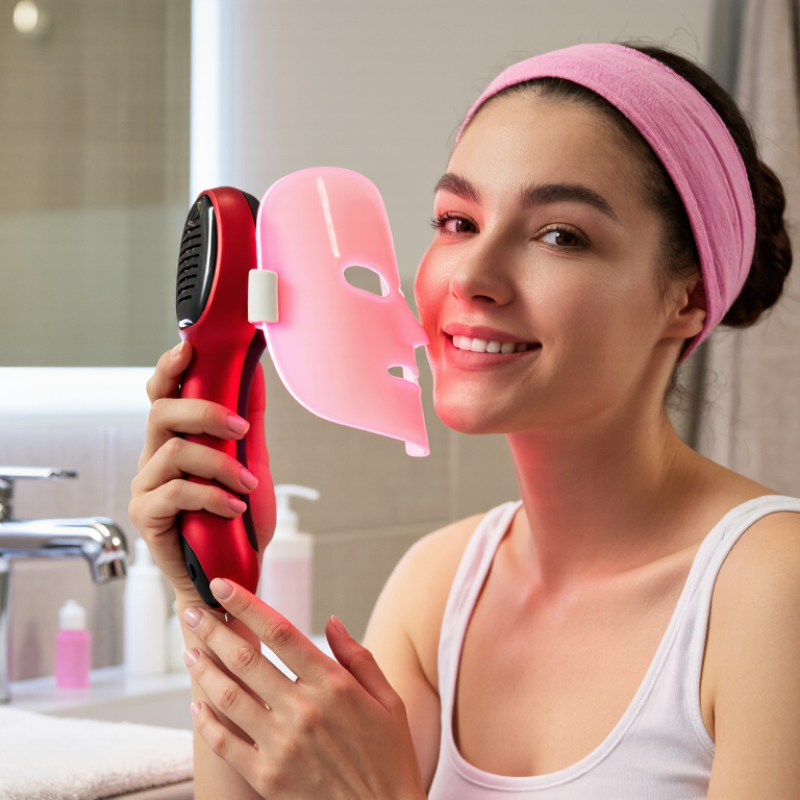
7 Tips Why Is Red Light Therapy Used in Modern Skincare?

What Red Light Therapy Is and How It Works in Skincare

7 Tips Why Is Red Light Therapy Used in Modern Skincare?

What Red Light Therapy Is and How It Works in Skincare

Red light therapy uses low-level red or near-infrared light to support skin activity. Unlike ultraviolet light, it does not tan or intentionally damage the skin. Common wavelengths reach different depths, while red light mainly affects the surface and near-surface layers. Near-infrared light may travel deeper into tissue.

The process is often called photobiomodulation. Light energy may influence cellular mitochondria, which help produce energy for normal cell functions. Research suggests this response can support collagen production and reduce mild inflammation. Fine lines may appear softer over time. Skin can also look calmer and more even. The change is usually gradual.

Consistency matters.

In practical skincare routines, users typically cleanse the face, dry it gently, and follow the device instructions. Eye protection may be necessary, depending on the equipment. Sessions should never feel painfully hot. Results vary because devices, wavelengths, skin types, and treatment schedules differ. The evidence is promising, but it is not flawless, and stronger research is still needed for some claims. A dermatologist can help assess sensitive skin, medication interactions, or unexplained redness before treatment. Taking monthly photos in the same lighting can reveal small changes that mirrors often hide. Personally, I would not treat red light as a miracle solution; healthy sleep, sun protection, and simple skincare still matter.

How Red Light Reaches Skin Cells and Supports Natural Repair

7 Tips Why Is Red Light Therapy Used in Modern Skincare?

Red light therapy uses low-intensity red and near-infrared wavelengths. Common ranges include 630–660 nanometers and 810–850 nanometers. Red light mainly reaches the epidermis and upper dermis. Near-infrared light can travel deeper through tissue. There, photons may interact with mitochondrial cytochrome c oxidase, supporting cellular energy production and circulation. A 2017 review in AIMS Biophysics linked photobiomodulation with ATP activity, collagen formation, and reduced inflammatory signals. The response is gradual, not magical.

Tips: Choose a device with clearly stated wavelengths. Follow the exposure time precisely. Clean skin first. Keep eyes protected. Use sunscreen during daytime. Photograph the same area weekly. Stop if persistent redness appears.

A 2023 systematic review in Photobiomodulation, Photomedicine, and Laser Surgery reported promising improvements in fine lines, wound recovery, and skin texture. However, studies remain varied. Small sample sizes and different treatment schedules make comparisons difficult. One clinical study published in Photomedicine and Laser Surgery observed smoother skin and fewer wrinkles after repeated red and near-infrared treatments. Results differed between participants. Some people notice softer texture first, while visible lines change slowly. This matters in practice. A warm mask can feel impressive, but warmth alone does not prove cellular repair. Red light may support natural repair by influencing energy, blood flow, and collagen-related activity. More research still needs to define the best dose, timing, and long-term safety for every skin type.

Seven Key Skincare Benefits of Red Light Therapy

Seven Key Skincare Benefits of Red Light Therapy

Red light therapy uses low-intensity red or near-infrared light. It may support collagen production, which can soften fine lines and improve firmness. It may also refine uneven texture and create a healthier-looking glow. A 2014 controlled study of 136 adults reported measurable improvements in skin appearance after repeated LED treatments. However, treatment schedules varied, so the result is not universal.

The seven commonly discussed benefits include collagen support, reduced fine lines, smoother texture, improved redness, calmer inflammation, faster recovery, and better overall radiance. Red light may also support cellular energy and local circulation. These effects could help post-procedure recovery, but professional supervision remains important. A 2023 systematic review in Photodermatology, Photoimmunology & Photomedicine described the evidence as promising, while noting inconsistent devices and study methods. That limitation matters.

Acne-prone skin may experience less visible inflammation, although red light is not a complete acne treatment. Some users notice comfort after irritation, while others notice little change. Results usually require regular sessions over several weeks. The seventh benefit is realistic expectation. A brighter mirror is not proof of deeper skin repair. Eye protection, correct wavelength, and suitable exposure time still deserve attention. Research is growing, but skincare claims should remain measured.

7 Tips Why Is Red Light Therapy Used in Modern Skincare? - Seven Key Skincare Benefits of Red Light Therapy
No. Key Skincare Benefit How It May Work Typical Wavelength Range Potential Skin Outcome Evidence Status Practical Skincare Tip
1 Supports Collagen Production Red and near-infrared light may stimulate cellular signaling that supports fibroblast activity and the production of collagen-related proteins. Approximately red light: 620–680 nm May help improve the appearance of fine lines and support firmer-looking skin over time. Moderate, but not conclusive Visible changes generally require consistent use over several weeks or months.
2 Improves the Appearance of Fine Lines Photobiomodulation may support skin repair processes and collagen remodeling, which can gradually improve surface texture. Approximately red light: 630–660 nm Fine lines may appear softer, particularly when treatment is combined with daily sun protection. Moderate Red light is not a replacement for sunscreen, retinoids, or professional dermatological care.
3 Reduces Temporary Redness and Inflammation Red light may influence inflammatory signaling and support the skin’s normal recovery response. Approximately red light: 620–670 nm May help calm the appearance of mild, temporary redness and skin stress. Limited to moderate Persistent redness, rosacea, or painful inflammation should be evaluated by a qualified healthcare professional.
4 Supports Skin Healing and Recovery Photobiomodulation may support cellular energy production and tissue-repair pathways after minor, non-open-skin irritation. Approximately red light: 630–660 nm; near-infrared: 810–850 nm May support a smoother-looking recovery after everyday environmental or cosmetic stress. Moderate for selected uses Do not use light devices over open wounds, active infections, or recently treated skin unless advised by a clinician.
5 Enhances Overall Skin Texture Repeated exposure may support collagen remodeling, circulation-related responses, and more balanced cellular activity. Approximately red light: 620–680 nm Skin may look smoother, more even, and healthier with regular use. Limited to moderate Results vary with age, skin condition, device output, treatment schedule, and adherence.
6 May Improve Skin Radiance Improved surface condition and reduced appearance of irritation can contribute to a more even-looking complexion. Approximately red light: 630–660 nm May create a brighter and more refreshed appearance without using ultraviolet radiation. Limited Radiance benefits are cosmetic and may be subtle; hydration and sun protection remain important.
7 Offers a Non-Invasive Skincare Option Red light therapy uses low-intensity visible light and, in some devices, near-infrared light rather than needles, surgery, or ultraviolet exposure. Red light: approximately 620–680 nm; near-infrared: approximately 810–850 nm Can be incorporated into a routine with generally minimal downtime when used correctly. Generally well tolerated Follow the device instructions, protect the eyes when required, and stop use if unusual irritation occurs.

How to Use Red Light Therapy Safely and Consistently

Red light therapy is often used to support a calmer, more even-looking complexion. Safe results depend less on enthusiasm and more on consistent habits. Before using a device, read its instructions carefully. Light strength and treatment time can vary greatly.

Start with clean, dry skin and remove reflective jewelry. Position the device as directed, rather than moving it close to your face. Use recommended eye protection when required. Never stare directly into bright LEDs. A short session is enough. More time does not automatically mean better results.

Patch-test a small area first, especially if your skin is sensitive. People using light-sensitive medicines, or managing conditions such as lupus, should ask a qualified healthcare professional before treatment. A dermatologist can also review unexplained redness, persistent acne, or changing pigmentation.

Choose a realistic schedule, such as several sessions each week. Keep a simple note of dates, duration, and skin reactions. A bathroom mirror and a phone reminder can help. Consistency matters.

But results are not guaranteed. Research supports some cosmetic benefits, yet findings differ by device and person. I would not treat red light as a replacement for sunscreen, prescribed care, or sleep.

Stop if you notice pain, blistering, unusual swelling, or lasting irritation. Reassess your routine instead of pushing through discomfort. That pause is important.

Who Can Benefit from Red Light Therapy and Its Limitations

Red light therapy may suit adults with early photoaging, mild redness, or uneven skin texture. It uses low-level red or near-infrared light to influence cellular activity. Some studies report improved collagen support and reduced fine lines after repeated treatments. Results vary, though. Skin rarely changes after one session.

People with sensitive skin may appreciate its gentle, non-ablative approach. It does not peel the surface or create deliberate wounds. A clean face, protected eyes, and consistent treatment times matter. Many users expect a dramatic lift, but that expectation needs adjusting. The effect is usually subtle. Sunscreen remains essential.

Red light therapy has limits. Device quality, wavelength, dose, and treatment distance can change outcomes. People taking photosensitizing medicines should ask a healthcare professional before use. The same applies to those with light-sensitive conditions, eye disorders, active skin disease, or unexplained lesions. Pregnancy also deserves medical guidance because safety evidence remains limited. A dermatologist can review medications and skin history before treatment. Even then, the evidence is promising rather than perfect, and marketing claims sometimes move faster than research.

Why Is Red Light Therapy Used in Modern Skincare?

Representative wavelengths used in photobiomodulation research and their photon energy.

Potential Benefits

Red and near-infrared light are studied for supporting cellular signaling, reducing visible inflammation, and improving the appearance of fine lines and uneven skin texture.

Who May Benefit?

Adults seeking non-invasive support for photoaging, mild inflammatory skin concerns, or post-procedure recovery may consider it when appropriate professional guidance is available.

Limitations

Results vary by wavelength, dose, treatment schedule, device quality, and skin condition. It is not a substitute for medical treatment, sunscreen, or diagnosis by a qualified professional.

Photon energy is calculated using E ≈ 1240 ÷ wavelength in nanometers. The listed wavelengths are representative research ranges, not proof that one wavelength is superior for every skin concern.

FAQS

What is red light therapy in skincare?

It uses low-level red or near-infrared light to support normal skin activity. It does not tan the skin.

How might red light affect the skin?

Light energy may influence mitochondria, which help cells produce energy. This may support collagen and calm mild inflammation.

Can red light therapy reduce fine lines?

It may soften fine lines gradually by supporting collagen and skin firmness. Results are usually subtle, not dramatic.

What other skin benefits are commonly discussed?

Possible benefits include smoother texture, less visible redness, calmer irritation, and brighter-looking skin. Results vary.

How should someone prepare for a session?

Cleanse the face and dry it gently. Follow the device instructions carefully. Eye protection may be necessary.

Should red light therapy feel hot or painful?

No session should feel painfully hot. Stop if discomfort becomes strong, especially around the eyes.

How long does it take to see results?

Many people need regular sessions for several weeks. Monthly photos in the same lighting can show small changes.

Is red light therapy a complete acne treatment?

No. It may reduce visible inflammation, but it cannot address every acne cause. I would not treat it as a miracle solution.

Who should seek professional advice before using it?

People with sensitive skin, unexplained redness, or medication concerns should consult a dermatologist. The evidence is promising, but imperfect.

What habits should accompany red light therapy?

Keep expectations realistic. Sleep well, use sun protection, and maintain a simple skincare routine. The light is only one part.

Conclusion

Red light therapy is a gentle, non-invasive skincare method that uses specific wavelengths of red light to reach skin cells and support their natural functions. Why is red light therapy used in modern skincare? It may help encourage collagen production, improve the appearance of fine lines, support a more even skin tone, reduce the look of redness, promote a smoother texture, and help skin recover from everyday environmental stress. By stimulating cellular activity, red light may complement the skin’s natural repair processes without harsh exfoliation.

For safe and consistent use, follow the device instructions, protect the eyes when recommended, and maintain a regular routine rather than expecting instant results. People with dullness, uneven texture, mild signs of aging, or occasional irritation may find it beneficial, although results vary. Red light therapy is not a cure for every skin concern and may not be suitable for everyone, especially those with light sensitivity or certain medical conditions. Consulting a qualified healthcare professional can help determine whether it fits an individual skincare plan.

Oliver

Oliver

Oliver is a seasoned marketing professional with a wealth of expertise in driving brand awareness and engagement. With a deep understanding of our company's product offerings, he consistently delivers high-quality content that enriches our professional blog. His insights not only shed light on......