Top 10 Tips to Mix Light Fixture Finishes in One Room?

Time:2026-09-15 Author:Isabella
0%

Mixing light fixture finishes can make a room feel layered, intentional, and visually connected. It can also create noise when every metal competes for attention. Designers often use finish contrast to define zones, highlight architectural details, and support a room’s existing color palette. The challenge is knowing when contrast feels curated rather than accidental.

This guide explores How to mix different light fixture finishes in one room through practical, experience-based decisions. A matte black pendant may anchor a kitchen island, while aged brass sconces add warmth beside a mirror. Soft nickel can then bridge both finishes without dominating them. The proportions matter. Repeating one finish at least twice usually creates stronger visual rhythm. Still, strict rules can become limiting. A carefully chosen single fixture may work better than forced repetition.

Natural daylight, warm bulbs, wall colors, and nearby hardware can change how each finish appears. Always compare physical samples under the room’s actual lighting. Polished brass may look elegant in the morning but overly bright at night. Black may feel crisp, yet appear heavy in a small room. These details deserve attention.

Some combinations will fail.

That is useful information.

The following tips balance professional lighting principles with real-world flexibility. They consider scale, undertones, fixture placement, material texture, and long-term comfort. The goal is not perfect matching. It is a room where every finish feels like it belongs.
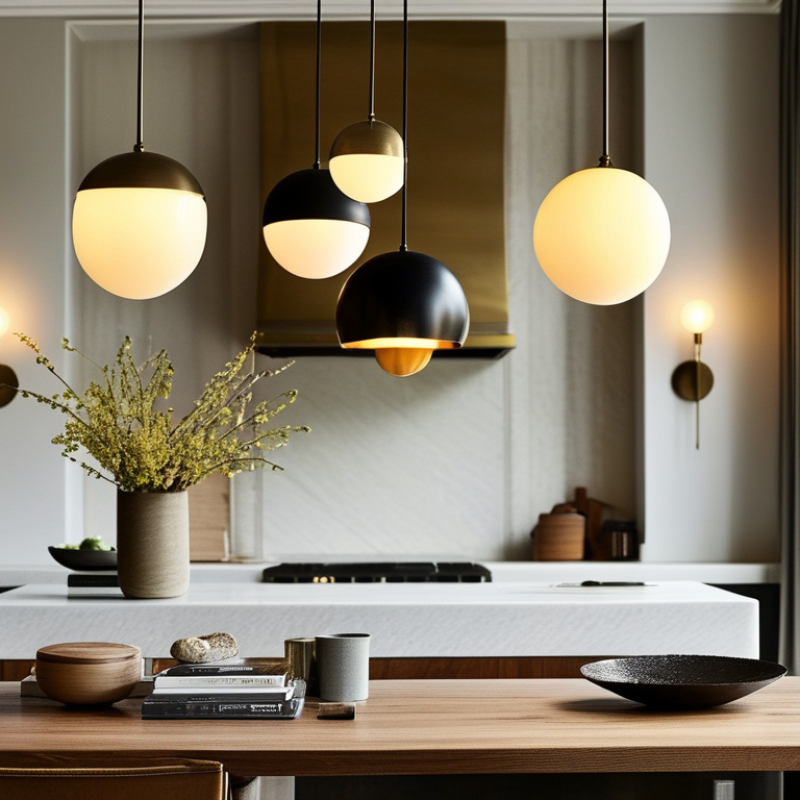
Top 10 Tips to Mix Light Fixture Finishes in One Room?

Define a Finish Hierarchy Using the 60–30–10 Design Balance

Mixing light fixture finishes works best when one finish clearly leads the room. Use the 60–30–10 design balance to create that hierarchy. Let 60 percent belong to the dominant finish, usually the most visible metal. Brushed brass can carry the main pendant, sconces, and cabinet hardware. Keep its sheen consistent. Too many variations may look accidental.

Assign 30 percent to a supporting finish that adds contrast without competing. A matte black ceiling fixture can balance warm brass in a dining room. Repeat the secondary finish on a mirror frame or furniture detail. Repetition makes the choice feel intentional. Avoid placing every finish at eye level. The room needs visual breathing space.

Reserve 10 percent for a small accent with character. Aged bronze on one wall light or a darkened socket can provide depth. Test physical samples beside the flooring, paint, and natural daylight. Electric light can change metal colors dramatically. I once approved a warm finish from a showroom sample, but it appeared orange at home. That mistake taught me to inspect finishes at night, too. Perfect matching is not always necessary. Uneven spacing can even feel more collected. Still, the hierarchy should remain obvious from the doorway. If the accent becomes the first thing noticed, reduce its quantity or visual weight.

Group Fixtures by Visual Temperature, from Warm Brass to Cool Chrome

Top 10 Tips to Mix Light Fixture Finishes in One Room

Group fixtures by visual temperature before comparing their metal finishes. Warm brass, aged bronze, and copper create a softer golden atmosphere. Cool chrome, polished nickel, and stainless steel feel sharper and cleaner. Start with one dominant temperature, then add a smaller contrasting group.

Use warm finishes near wood, cream fabric, or terracotta surfaces. Pair cool finishes with glass, gray stone, or blue-based paint. Keep the largest fixture within the room’s dominant temperature. Let smaller sconces or pendants provide controlled contrast.

Repeat each finish at least twice. This makes the mixture look intentional. Keep the same sheen when possible. Glossy chrome beside dull bronze can feel disconnected. Not always, though. A carefully placed contrast may add character.

Match fixture shapes before forcing exact metal harmony. Rounded shades can connect warm and cool finishes through their shared silhouette. Keep finishes within a similar visual weight. A heavy black base may overpower delicate brass arms.

Check the room under daylight and warm evening bulbs. Color temperature changes everything. Choose bulbs between 2700K and 3000K for welcoming spaces. Use consistent color rendering, preferably above 90 CRI, to protect material accuracy.

I once mixed three finishes without testing samples, and the chrome looked unexpectedly blue. That mistake taught me to view metal swatches beside flooring, walls, and natural light. Leave one finish slightly imperfect if the room feels too coordinated; lived-in spaces rarely look showroom-perfect.

Standardize Light Quality at CRI 90+ and 2700–3000K

Top 10 Tips to Mix Light Fixture Finishes in One Room

Different finishes can share one room without looking accidental. Black, aged brass, nickel, and glass can work together when their light quality remains consistent. Choose fixtures with a CRI of 90 or higher. This helps fabrics, wood, and skin tones appear closer to their natural colors. Keep the color temperature between 2700K and 3000K for a comfortable residential glow. Avoid placing a cool white fixture beside a warm pendant. The contrast can make both fixtures look wrong.

Tip: Check every lamp before installation. Use the same color temperature throughout connected spaces, especially between a dining room and kitchen. Confirm dimming compatibility, too. A fixture may look beautiful at full brightness but flicker at lower levels. That detail is easy to miss. Test samples beside your flooring and cabinet finish during daytime and evening hours. Light changes the room more than most finish charts suggest.

In my own lighting layouts, I have sometimes focused too heavily on matching metal tones. That was a mistake. A consistent 2700K setting created more harmony than identical hardware. Still, 3000K can suit rooms with pale stone, strong daylight, or task-focused surfaces. Do not rely only on specifications. Stand beneath the fixture and inspect the shadows, glare, and color on nearby walls. Small differences become obvious after sunset.

Top 10 Tips to Mix Light Fixture Finishes in One Room

Standardize light quality at CRI 90+ and 2700–3000K so different fixture finishes appear visually consistent under the same illumination.

Chart reading: Keep every mixed-finish fixture within the 2700–3000K color-temperature range and use a minimum CRI of 90. The consistent light quality helps reduce visible differences caused by metal, glass, painted, or coated finishes.

  1. Choose a single color-temperature range for the entire room.
  2. Specify CRI 90 or higher for decorative and task lighting.
  3. Compare finishes under the selected light source before installation.
  4. Use one dimming method wherever possible.
  5. Match beam angles when fixtures illuminate the same surface.
  6. Keep light levels balanced between adjacent fixtures.
  7. Use warmer light for relaxed residential areas.
  8. Avoid mixing visibly warm and cool lamps in the same visual field.
  9. Coordinate metal finishes by tone, not only by color name.
  10. Review the finished room at night and at different dimming levels.

Compare Finishes Under ANSI C78.377 CCT Conditions and Daylight

Top 10 Tips to Mix Light Fixture Finishes in One Room

Mixed finishes succeed when their colors are judged under controlled light. ANSI C78.377-2017 defines nominal white-light categories from 2700K through 6500K. Compare samples within the same CCT category, not beneath different lamps. A 2700K source can make bronze appear redder and chrome appear colder. Check Duv too, because equal CCT does not guarantee equal visual tint. Small green or pink shifts become obvious across a polished surface.

Daylight complicates the decision. CIE 15:2018 identifies standard daylight D65 at approximately 6504K, but real windows change hourly. North-facing daylight may look cooler, while late afternoon light warms metal tones. Place finish samples beside the fixture at morning and afternoon. Record the window direction. It matters. IES TM-30-20 recommends evaluating fidelity with Rf and gamut with Rg, rather than relying on CRI alone. This helps reveal why a black finish can look slightly blue under one lamp.

In practice, keep the main fixture finish near the visual center of the room. Use a second finish on smaller hardware, then repeat its tone at least twice. Brushed textures usually tolerate minor CCT differences better than mirror-polished surfaces. I still get this wrong when judging samples from phone photographs. Cameras adjust white balance automatically. Human eyes adapt too, but not perfectly. Recheck the room after dimming, because lower output can change perceived warmth and contrast. ANSI C78.377 and daylight comparisons create a disciplined starting point, not a substitute for viewing real samples.

Verify Scale, Spacing, and IES Illuminance Targets Before Installation

Top 10 Tips to Mix Light Fixture Finishes in One Room

Mixing light fixture finishes works best when scale and lighting performance come before decoration. Measure the room, ceiling height, furniture, and fixture locations before ordering anything. A large pendant above a narrow table can feel visually heavy, even when its finish matches the room. Keep the main fixture dominant, then use smaller sconces or recessed lights as supporting elements.

Spacing deserves a measured plan. Mark each fixture’s center on the ceiling with removable tape. Check walking paths, cabinet doors, sightlines, and the distance between fixtures. For dining areas, keep the pendant comfortably above eye level while preserving clear views across the table. Finish combinations can vary, but repeated spacing creates visual order. I have seen attractive fixtures feel disconnected because their intervals were inconsistent.

IES illuminance targets IES illuminance targets should guide the final decision. Identify the room’s task, ambient, and accent lighting needs before installation. Compare the proposed output with the recommended illuminance range for that room type, then account for ceiling height, surface colors, beam spread, and light loss. A warm metal finish cannot correct a dim workspace. Use a lighting calculation or field measurement when possible. My first layout looked balanced on paper but produced shadows near the sink. That mistake changed the plan. Recheck the design after furniture arrives; real surfaces often reflect light differently than samples. There is always room to revise.

FAQS

How can the 60–30–10 rule organize mixed light fixture finishes?

Let one finish dominate about 60 percent of visible metal. Use 30 percent for contrast. Reserve 10 percent for a small accent.

Which finish should become the dominant one?

Choose the most visible metal, such as the main pendant or cabinet hardware. Keep its sheen consistent. Too many variations may look accidental.

How can a supporting finish add contrast without creating clutter?

Repeat it on two or more details, such as a ceiling fixture and mirror frame. Avoid placing every finish at eye level. The room needs breathing space.

Where should a small accent finish appear?

Use it on one wall light, socket, or furniture detail. Keep its visual weight modest. The doorway view should still show clear hierarchy.

Should all fixture finishes share the same visual temperature?

Start with one dominant temperature. Warm brass and aged bronze suit wood, cream fabric, and terracotta. Cool metal suits glass, gray stone, and blue-based paint.

Can different metal finishes work when their colors clash slightly?

Yes, if their shapes or visual weights connect. Rounded shades can unite warm and cool metals. Not always. Test the combination before installing everything.

How should lighting affect finish selection?

View samples in daylight and under warm evening bulbs. Choose bulbs around 2700K to 3000K for welcoming rooms. A color rendering rating above 90 protects material accuracy.

What common mistake happens when finishes are chosen from showroom samples?

A warm sample may appear orange at home. Chrome may look unexpectedly blue. I learned to check samples beside flooring, paint, and natural light.

Must every finish match perfectly?

No. Slight irregularity can make a room feel collected and lived-in. Still, too much contrast may weaken the hierarchy. Leave one detail imperfect, deliberately.

Conclusion

How to mix different light fixture finishes in one room begins with creating a clear finish hierarchy rather than treating every fixture as an equal focal point. Use a 60–30–10 balance to distribute the dominant, supporting, and accent finishes throughout the space. Group fixtures by visual temperature, allowing warm finishes such as brass to relate naturally to other warm materials, while cooler finishes such as chrome create a more unified relationship with cooler surfaces. The goal is intentional contrast, not random variety.

A cohesive lighting plan also depends on consistent performance. Select sources with a CRI of 90 or higher and a color temperature between 2700K and 3000K so different finishes are viewed under comparable light. Compare samples under ANSI C78.377 correlated color temperature conditions as well as natural daylight, since appearance can shift significantly. Before installation, confirm fixture scale, spacing, and target illuminance using IES recommendations. These checks help ensure that mixed finishes look balanced, function effectively, and support the room’s overall design.

Isabella

Isabella

Isabella is a dedicated marketing professional with a sharp focus on driving brand growth and engagement through strategic content creation. With an extensive background in digital marketing, she combines her passion for storytelling with her keen understanding of industry trends to deliver......