How to Mix Different Light Fixture Finishes in One Room?

Time:2026-05-22 Author:Sienna
0%

Mixing different light fixture finishes in one room can enhance the overall aesthetic. It creates a layered look that feels intentional and curated. However, many may wonder how to mix different light fixture finishes in one room without it feeling chaotic.

Successful blending relies on balancing textures and colors. A brass pendant can coexist with matte black sconces, creating visual interest. Consider how these elements interact with your room's overall design. Take time to observe how light affects various finishes throughout the day. This will help you gauge what works harmoniously.

Achieving the right combination requires experimentation. You may need to rethink your choices if certain fixtures clash or don't complement one another. Sometimes, what looks appealing in theory may not translate well in practice. Embrace the trial-and-error process to find a style that feels cohesive and inviting.
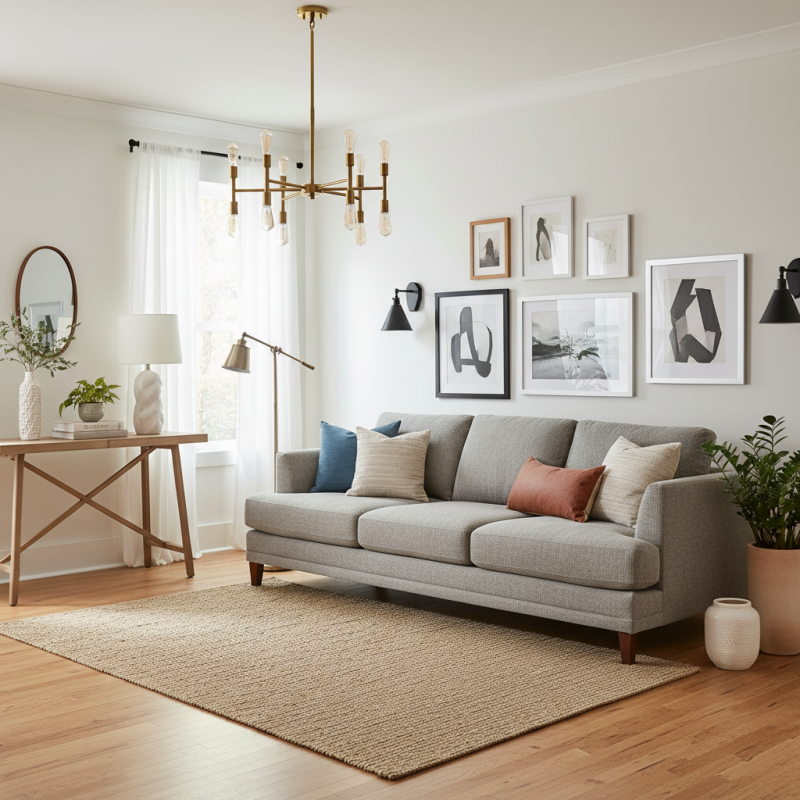
How to Mix Different Light Fixture Finishes in One Room?

Understanding Different Light Fixture Finishes and Their Aesthetics

When mixing different light fixture finishes in one room, consider how each finish interacts with light. Metallic finishes, such as brass or nickel, can create a warm ambiance. They reflect light beautifully, enhancing the overall brightness. Matte finishes tend to absorb light, providing a more subdued effect. This contrast can create a dynamic atmosphere.

Pay attention to the colors and materials in your space. A textured finish, like a rough iron, can add depth. Pair it with smooth surfaces, like polished chrome, to create visual interest. Too many similar finishes can feel monotonous, while too much contrast may feel chaotic. Finding a balance is key.

Think about the scale and placement as well. A large fixture in a bold finish can dominate, while smaller, quieter pieces can complement. Layering different shapes and heights adds complexity. Reflect on how these choices serve your room’s purpose and your personal style. Mixing finishes isn't just about aesthetics; it's about creating a space that feels cohesive and intentional.

How to Mix Different Light Fixture Finishes in One Room?

Choosing a Dominant Finish to Guide Your Lighting Design

When mixing different light fixture finishes, selecting a dominant finish is crucial. This choice serves as the backbone for your entire lighting design. According to a 2021 industry report, 65% of designers recommend establishing a unifying theme to create visual harmony. A dominant finish, whether it's brushed nickel or matte black, can dictate the overall aesthetic of the room. Consider how that finish interacts with textures and colors present in your space.

Choosing a dominant finish also requires thoughtful consideration. An uneven blend of finishes may disrupt the room's flow. Data suggests that homes with a cohesive lighting design see a 45% increase in perceived value. It's beneficial to experiment with different combinations but keep your dominant finish consistent. This guide won't eliminate mistakes but will encourage reflection on your choices and their impact on the overall feeling of the room. Whether you opt for warm tones or industrial styles, the dominant finish sets a foundation for creativity and complexity in your design.

Balancing Contrasting Finishes for Visual Harmony

Mixing different light fixture finishes can enhance a room’s visual appeal. When balancing contrasting finishes, it’s crucial to create a harmonious blend. For instance, combining matte black lamps with shiny chrome sconces can yield a modern and chic look. The key lies in the thoughtful placement of these elements throughout the space.

Consider the color palette of the room. A warm tone might pair better with brass finishes, while cooler shades often complement brushed nickel. Accent fixtures should draw the eye but not dominate the scene. Experimenting with a combination of unique styles, like industrial and minimalistic, can lead to delightful surprises. However, too many contrasting textures can create chaos.

It’s valuable to visualize the arrangement before making any decisions. Using tools like mood boards can help refine your ideas. Pay attention to how light interacts with different finishes throughout the day. Observing these changes can lead to deeper insights about your design choices, ultimately guiding you to a well-balanced aesthetic.

How to Mix Different Light Fixture Finishes in One Room? - Balancing Contrasting Finishes for Visual Harmony

Fixture Type Finish Style Room Suggested
Pendant Light Brushed Nickel Modern Kitchen
Chandelier Antique Brass Traditional Dining Room
Wall Sconce Matte Black Industrial Living Room
Table Lamp Polished Chrome Contemporary Bedroom
Floor Lamp Oil-Rubbed Bronze Rustic Family Room

Layering Fixtures with Varying Finishes for Depth and Interest

Mixing different light fixture finishes can add significant depth and interest to a room. Layering fixtures with various designs creates a dynamic environment. Consider combining metal textures with warm wooden tones. The contrast of polished chrome against rustic wood can be stunning.

To create balance, Choose a dominant finish. For instance, if brass fixtures dominate, introduce a few silver accents. This allows the eye to travel around the room without overwhelming any single area. Highlights and shadows will emerge naturally, enhancing visual appeal.

Tips: Mixing pendant lights with table lamps can work well. Use a large statement fixture as a focal point. Then, choose smaller pieces that resonate with its finish. Don't shy away from imperfections. A slightly tarnished finish can add character. Reflect on how light interacts with each piece, considering brightness and warmth.

Tips for Maintaining Consistency in Style Across Multiple Fixtures

Mixing different light fixture finishes in one room can create a dynamic atmosphere. However, maintaining style consistency is crucial. When combining finishes, consider the overall aesthetic of the space. Choose fixtures with at least one element in common, like color or texture.

Another key point is scale. A large chandelier can overwhelm small pendant lights. Balance these sizes for a cohesive look. You could introduce a shared finish as an accent. For example, incorporating metallic tones can unify diverse fixtures.

Color can be tricky. A warm gold lamp may clash with a cooler silver piece. Aim for complementary tones to maintain harmony. Experimenting is part of the fun, but don't force combinations that don’t feel right. Trust your instincts. Balancing different finishes involves reflection and testing your ideas.

FAQS

: How do metallic finishes affect a room's ambiance?

: Metallic finishes, like brass or nickel, can create a warm atmosphere and reflect light beautifully.

What is the impact of matte finishes in lighting?

Matte finishes absorb light, offering a more subdued and introspective effect in contrast to metallics.

How can I create visual interest with textures?

Pair textured finishes, like rough iron, with smooth surfaces, such as polished chrome, for depth and interest.

What should I consider when mixing light fixtures?

Balance is crucial; too many similar finishes may feel monotonous, while too much contrast can create chaos.

How does scale influence light fixture design?

A large fixture can dominate space, while smaller pieces can complement without overwhelming.

How important is the color palette in mixing finishes?

The color palette sets the tone; warm finishes work better with warm hues, while cool finishes suit cooler shades.

What role does thoughtful placement play in fixture design?

Thoughtful placement enhances harmony; it ensures that fixtures work well together without competing for attention.

How can I use mood boards effectively?

Mood boards help visualize your choices and refine ideas, aiding in developing a coherent aesthetic.

Should I experiment with different styles?

Yes, combining styles can yield pleasant surprises, but avoid forcing combinations that feel unbalanced or awkward.

What if my fixture colors clash?

Aim for complementary tones to maintain harmony. Trust your instincts when it doesn't feel right.

Conclusion

In the article "How to Mix Different Light Fixture Finishes in One Room," readers are guided through the process of harmonizing various lighting styles for a cohesive look. The first step is understanding the different light fixture finishes and their aesthetics, as this knowledge lays the groundwork for effective design choices. Choosing a dominant finish is crucial, as it serves as a guiding element for the overall lighting scheme.

To achieve visual harmony, balancing contrasting finishes is essential, ensuring that no single element overwhelms others. Layering fixtures with varying finishes adds depth and interest, creating a dynamic ambiance that captivates the eye. Finally, maintaining consistency in style across multiple fixtures is key to establishing a unified theme. By following these strategies, anyone can successfully tackle the challenge of how to mix different light fixture finishes in one room, resulting in an inviting and stylish environment.

Sienna

Sienna

Sienna is a skilled marketing professional with a deep expertise in our company’s core products and services. With a passion for innovation and detail, she plays a pivotal role in crafting insightful blog posts that not only highlight the unique features of our offerings but also provide valuable......