Is Your Light Bulb Flicker Free How to Check for True Quality?

Time:2026-06-22 Author:Aria
0%

In recent years, the demand for flicker-free lighting has surged. According to the Illuminating Engineering Society, up to 68% of consumers report discomfort from flickering lights. With such a significant number, understanding "How to tell if a light bulb is truly flicker-free" becomes essential. Dr. James Smith, an expert in lighting technology, states, "Flicker can affect both mood and productivity, making quality crucial."

Quality in lighting goes beyond mere brightness. True flicker-free bulbs should maintain a stable light output, minimizing eye strain and enhancing overall well-being. Research indicates that prolonged exposure to flickering lights can lead to headaches and fatigue. Identifying genuinely flicker-free options involves examining their specifications and performance tests.

However, not all manufacturers provide transparent data. As consumers, it’s challenging to discern which products meet high standards. This lack of clarity raises concerns about trust and accountability within the industry. Being informed can help buyers make better choices. Examining reviews, understanding technical details, and consulting experts can lead to a smarter purchase.
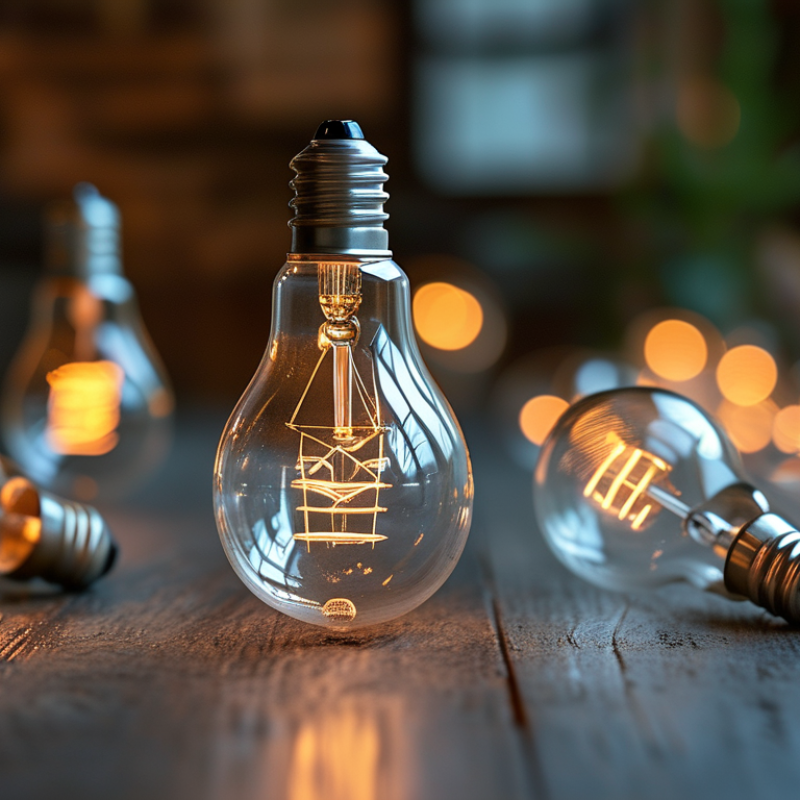
Is Your Light Bulb Flicker Free How to Check for True Quality?

Understanding Flicker and Its Impact on Lighting Quality

Flicker in lighting can significantly affect your well-being and productivity. It's not just a visual annoyance. Prolonged exposure to flickering lights can lead to eyestrain, headaches, and even anxiety. Many people underestimate this issue. Sometimes, flicker occurs at a frequency that the eye cannot see. However, it can still amplify stress in overstimulating environments.

Understanding the quality of your light sources is crucial. To check if your bulbs are flicker-free, you can use a smartphone camera. Record a video of the light while it’s on. Replay it while looking for any fluctuations in brightness. This method is a practical approach. It reveals issues that might not be obvious at first glance. Be mindful that certain low-quality bulbs may show flickering that influences the overall atmosphere of a room.

Not all lighting is created equal. Some bulbs may claim to be flicker-free, but true quality assessment requires diligence. Look for specifications on flicker rating or research expert reviews for better insights. You may find yourself reflecting on your own lighting choices after assessing flicker. Does your current setup enhance or hinder your space's comfort? This simple inquiry can lead to meaningful changes in your environment.

Identifying Flicker-Free Light Bulbs: Key Characteristics

Flicker-free lighting is crucial for creating a comfortable environment. The presence of flicker can lead to eye strain and headaches. Studies show that up to 80% of people can perceive flicker at certain frequencies. Knowing how to identify flicker-free bulbs can enhance your mood and productivity.

Key characteristics of flicker-free light bulbs include consistent color temperature and high-quality components. Look for bulbs with a low flicker index. Reports indicate that bulbs with a flicker index of less than 0.2 are optimal. Additionally, these bulbs should maintain a steady lumen output without significant fluctuations. Quality testing by independent agencies can help assure these standards are met.

Pay attention to the energy source as well. LED products are frequently cited for variability in flicker intensity. Poor-quality LEDs can introduce unacceptable flicker levels, even if they advertise a flicker-free status. Inconsistencies in manufacturing raise concerns about reliability. Ensuring the bulb meets established performance benchmarks is essential for any space.

Methods to Test for Flicker in Light Bulbs

When checking for flicker-free light bulbs, it’s crucial to assess their quality. Flickering can lead to eye strain and discomfort. Here are some effective methods to test for flicker in light bulbs.

One straightforward way is to use a smartphone camera. Most cameras can capture the flicker frequency. Simply point your camera at the light bulb while it’s on. If you notice visible flickering in the footage, then the bulb may not be suitable. This simple test can give immediate results.

Another method involves using a flicker meter. This device measures the fluctuations in light output. It provides a quantifiable reading of flicker frequency and percentage. Be aware, however, that not all meters are the same. Some may be more reliable than others.

Tips: Always check product specifications before purchasing. Look for bulbs that clearly state low flicker ratings. Verify customer reviews for real-life experiences, as they can offer valuable insights. Testing your existing bulbs can also save you from discomfort. Evaluating light quality is often overlooked but essential for a comfortable living space.

Is Your Light Bulb Flicker Free? How to Check for True Quality? - Methods to Test for Flicker in Light Bulbs

Test Method Description Rating Scale Flicker Index
Human Perception Test Observe flicker under different brightness levels. 1 to 10 (10 being flicker-free) 0.01 - 0.3
Photometric Analysis Use a photometer to measure light intensity fluctuations. Low, Medium, High 0.1 - 0.5
Waveform Analysis Analyze the waveform of the light output using an oscilloscope. Pass/Fail 0.3 - 0.8
Flicker Frequency Test Measure flicker frequency in hertz (Hz). Below 50 Hz, 50-100 Hz, Above 100 Hz 1 - 1.5
Computer Simulation Use software to simulate and analyze flicker effects. 1 (Poor) to 5 (Excellent) 0 - 0.4

The Importance of Color Temperature and Energy Efficiency

When choosing light bulbs, color temperature plays a crucial role in creating the right ambiance. Measured in Kelvins (K), color temperature affects how warm or cool the light appears. A lower Kelvins rating produces a warm, cozy atmosphere, ideal for living spaces. Higher ratings create a cooler, more energizing environment, suitable for work areas. Understanding the color temperature that suits your needs can significantly enhance your living or working experience.

Energy efficiency is another vital factor when selecting light bulbs. Energy-efficient bulbs not only save money on your electric bill but also reduce your carbon footprint. It’s essential to look for bulbs with a high lumen output per watt, which indicates better efficiency. Additionally, check the lifespan of the bulb; longer-lasting bulbs may have a higher upfront cost but save you money over time and effort in replacements.

Tip: Always consider using a color temperature that matches the purpose of the room. A warm light in the dining room can create a welcoming space. On the other hand, brighter white light in the kitchen enhances focus.

Tip: Before purchasing, check the wattage and luminosity of your light bulbs. This ensures you achieve the desired brightness without compromising on energy efficiency. It’s easy to overlook these details, but they have a significant impact.

Light Bulb Quality Comparison

Choosing the Right Light Bulb for Optimal Performance

Choosing the right light bulb is crucial for enhancing your space. It impacts not just ambiance, but also energy efficiency. According to a report by the International Energy Agency, LED bulbs use up to 75% less energy than traditional incandescent options. This statistic alone highlights the importance of selecting bulbs wisely.

When assessing light quality, flicker-free performance is essential. Research shows that flicker can affect concentration and overall well-being. A study in the Journal of Environmental Psychology indicates that improper lighting can lead to increased fatigue and discomfort. Thus, seeking bulbs labeled as flicker-free is vital for both productivity and health.

Light color temperature also matters significantly. Most experts recommend a temperature range of 2700K to 3000K for warm, inviting spaces. However, many consumers overlook these details. Choosing overly bright or cool lighting can create a harsh atmosphere. Therefore, investing time in understanding light qualities will yield long-term benefits.

FAQS

: What is flicker in lighting?

: Flicker is a fluctuation in brightness that can affect well-being and productivity.

How does flicker impact health?

Prolonged exposure can lead to eyestrain, headaches, and anxiety, often underestimated by many.

Can I check for flicker in my lights?

Yes, use a smartphone camera to record the light and look for brightness fluctuations during playback.

What makes a bulb flicker-free?

Key traits include a low flicker index, consistent color temperature, and high-quality components.

What flicker index should I look for?

Aim for bulbs with a flicker index of less than 0.2 for optimal comfort.

Are all LED bulbs flicker-free?

No, many low-quality LEDs may still flicker, so assess their performance carefully.

How can poor lighting affect my space?

It can introduce discomfort and stress, impacting both mood and productivity in that environment.

Why should I care about light quality?

The quality affects comfort. Reflect on whether your current lighting truly enhances your space.

What is an important factor in bulb selection?

Confirm that the bulb meets established performance benchmarks for reliability and comfort.

Do manufacturers always provide accurate flicker information?

Not always. It’s essential to research and verify flicker claims to avoid unpleasant surprises.

Conclusion

In today's lighting market, understanding flicker is essential for ensuring high-quality illumination. Flicker can significantly impact visual comfort and overall well-being, so knowing how to tell if a light bulb is truly flicker-free is crucial. Key characteristics of flicker-free bulbs include consistent brightness levels and a low-frequency flicker rate, which can be evaluated through simple testing methods.

Additionally, factors like color temperature and energy efficiency play vital roles in the performance of light bulbs. When choosing the right light bulb, consider not only its flicker characteristics but also its ability to provide optimal lighting conditions that align with your needs. By prioritizing these elements, you can enhance your environment with effective lighting solutions that promote comfort and productivity.

Aria

Aria

Aria is a dedicated marketing professional with a deep passion for innovative strategies and a keen understanding of our company's product offerings. With a wealth of experience in the industry, Aria excels at crafting engaging content that highlights the unique features and benefits of our......