As we approach 2026, the world of lighting design is on the brink of significant transformation. Industry reports suggest a growing demand for sustainable and smart lighting solutions. According to a recent market analysis, the global smart lighting market is projected to reach $78 billion by 2026, reflecting an increasing interest in energy efficiency and automation.
What are the emerging lighting design trends for 2026? Innovations such as human-centric lighting, which adapts to our daily rhythms, are becoming vital. Designers are focusing on integrating natural light, making spaces feel more inviting and enhancing well-being.
Moreover, advancements in LED technology continue to evolve. They provide greater versatility in design and contribute to lower energy consumption. However, the challenge remains in balancing aesthetics with functionality. As the industry shifts, understanding consumer needs and adapting to these trends will be critical for designers and brands.
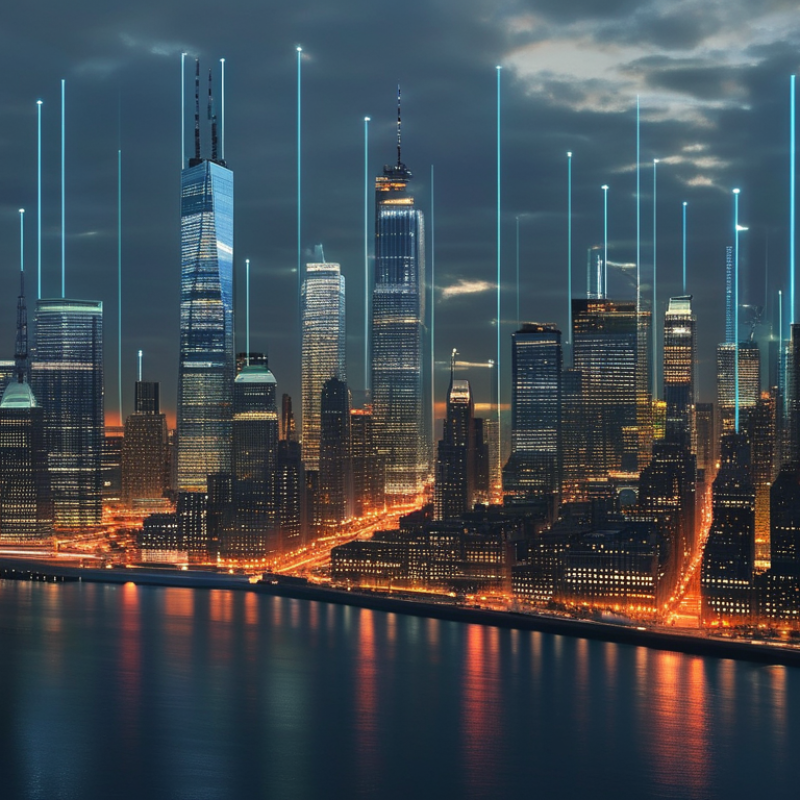
Biophilic lighting is gaining traction in interior design. This trend connects occupants with nature. A study by the International Well Building Institute shows that natural light improves productivity by up to 23%. More designers are opting for lighting solutions that mimic natural light, creating a soothing atmosphere.
Implementing biophilic lighting isn't without challenges. Balancing artificial and natural light can be tricky. Not all spaces allow for adequate natural light. Furthermore, achieving the right color temperature for human comfort requires careful planning. A report from the American Society of Interior Designers highlights that 60% of professionals encounter difficulties integrating biophilic elements effectively.
Despite these hurdles, the benefits are substantial. Environments infused with natural lighting elements can result in higher satisfaction rates among occupants. A survey reveals that 75% of people feel happier in spaces with biophilic features. This highlights the importance of thoughtful design. As trends evolve, the push for biophilic lighting will likely reshape future interiors for the better.
As we look towards 2026, the integration of smart lighting technologies is transforming modern design. Smart lighting enhances aesthetics and functionality. It allows for tailored experiences in residential and commercial spaces. Imagine walking into a room that adjusts to your preferences. This is not just innovation; it's personal comfort redefined.
Tips for incorporating smart lighting include understanding the space and its needs. For cozy atmospheres, opt for warm hues. Bright, cool lighting works well in workspaces. Another essential aspect is user control. Make sure to choose systems that offer mobile or voice activation. Flexibility leads to better user experiences.
The world of smart lighting is not without challenges. Compatibility issues may arise with existing systems. Educating clients on technology can also be daunting. Continuous advancements mean what is cutting-edge today may change rapidly. Adaptability is key when integrating new lighting solutions into design.
Sustainable lighting solutions are more crucial than ever. The global demand for eco-friendly materials in lighting design is rising. According to a recent market report, the sustainable lighting market is expected to grow at a CAGR of 7.9% from 2023 to 2030. This trend highlights a shift towards energy-efficient solutions and recyclable materials.
Using LED technology is a key part of this transition. LEDs consume at least 75% less energy than traditional bulbs. They also have a significantly longer lifespan. This results in less waste and fewer replacements over time. In addition, many manufacturers are exploring bioplastics to reduce environmental impact further. These materials can be both functional and aesthetically pleasing, offering unique design possibilities while promoting sustainability.
Tip: When selecting lighting solutions, consider products made from recycled materials. This often leads to a smaller ecological footprint. Also, be mindful of energy consumption. Selecting high-efficiency bulbs not only reduces energy bills but also supports a more sustainable future.
Lighting design trends in 2026 will likely prioritize sustainability. Designers must adapt their practices to create spaces that honor both functionality and environmental responsibility. As this industry evolves, continuous innovation will be necessary to address the challenges of sustainability in lighting. The path forward is not without obstacles, but progress is essential.
Human-centric lighting focuses on the connection between light and well-being. This approach considers the biological effects of natural light on human behavior and health. Recent studies indicate that appropriate lighting can enhance mood, increase productivity, and improve sleep quality. For example, a report from the Lighting Research Center highlights that exposure to natural light can boost alertness and enhance overall satisfaction in indoor environments.
As we move towards 2026, the advancements in lighting technology will further support these health trends. Smart lighting systems, which adjust intensity and color temperature, can help individuals align their circadian rhythms. Data from the International Association of Lighting Designers suggests that 65% of people feel more productive in environments utilizing human-centric light designs. However, there are challenges in implementing these solutions universally. Not all spaces can accommodate flexible lighting, and accessibility remains a concern.
Furthermore, while human-centric lighting holds promise, there are still areas needing improvement. Studies show a gap between awareness and practical application in everyday settings. Awareness of light’s impact is growing, but many environments still rely on outdated designs that do not support well-being. Addressing these issues will be crucial as we continue to explore the evolving landscape of lighting design.
The concept of multi-functional lighting is reshaping our living and working spaces. As urban areas become more compact, designers are exploring lighting that serves multiple purposes. A single fixture might provide ambient light in the evening and act as task lighting during the day. This versatility is crucial for optimizing small environments.
Innovative designs, such as adjustable LED systems, allow users to customize their lighting based on activities. For instance, a lamp can shift from a warm glow for relaxation to a bright setting for productivity. This adaptability is valuable in homes and workspaces where activities change frequently. Yet, the challenge lies in ensuring that these systems are user-friendly and intuitive.
Moreover, lighting that adapts to mood and helps with well-being is on the rise. But, we must consider the balance between aesthetics and functionality. Designers are still figuring out how to combine these elements effectively. As we monitor these trends, it's clear that simple, flexible solutions will be key to enhancing user experience.
| Trend | Description | Benefits | Expected Adoption Rate (%) |
|---|---|---|---|
| Smart Lighting Controls | Integration of IoT technology for responsive lighting solutions. | Improved energy efficiency and user convenience. | 75% |
| Human-Centric Lighting | Lighting designed to enhance well-being and productivity. | Boosts mood and concentration. | 68% |
| Sustainable Materials | Use of eco-friendly materials in light fixture design. | Reduces environmental impact. | 65% |
| Multi-Functional Fixtures | Lighting that serves more than one purpose. | Maximizes space utility in smaller areas. | 70% |
| Biophilic Design | Incorporating natural elements into lighting design. | Enhances connection to nature. | 60% |
| Adaptive Lighting | Lighting that adjusts according to the time of day. | Supports natural circadian rhythms. | 58% |
| RGB and Color-Changing Technology | Dynamic color options for varied atmospheres. | Creates customizable environments. | 66% |
| Wireless Charging Lights | Light fixtures that can charge devices wirelessly. | Reduces cord clutter. | 62% |
| Artistic and Statement Fixtures | Unique and creative designs that serve as focal points. | Enhances aesthetic appeal of spaces. | 64% |
| Integrated Sound and Light Systems | Combining audio and lighting for immersive experiences. | Creates cohesive environments for social settings. | 59% |
: Biophilic lighting connects occupants with nature, mimicking natural light to create a soothing atmosphere.
Natural light can improve productivity by up to 23%, making it essential in interior design.
Balancing natural and artificial light can be tricky. Some spaces lack adequate natural light.
The right color temperature is vital for comfort. It requires careful planning to implement.
About 75% of people feel happier in environments with biophilic elements. Satisfaction rates increase significantly.
Smart lighting enhances aesthetics and functionality, allowing personalized experiences in any space.
Choose warm hues for cozy spaces. Bright cool lighting suits workspaces best.
Compatibility issues with existing systems can occur. Educating clients on technology may be challenging.
Flexible systems that offer mobile or voice control enhance user comfort and satisfaction.
Rapid advancements in technology mean solutions can quickly become outdated. Adapting is crucial for relevance.
As we look ahead to 2026, several key themes are set to shape the future of lighting design. What are the emerging lighting design trends for 2026? Firstly, the rise of biophilic lighting highlights a growing emphasis on creating connections between indoor environments and nature, fostering both aesthetic appeal and well-being. Additionally, the integration of smart lighting technologies is revolutionizing modern design, offering enhanced control and adaptability in various spaces.
Sustainability is also a crucial focus, with an increasing reliance on eco-friendly materials and sustainable lighting solutions to minimize environmental impact. Moreover, human-centric lighting is gaining recognition for its positive effects on health and productivity. Finally, trends in multi-functional lighting are enabling versatile spaces that can seamlessly transition between different uses, catering to the evolving needs of users. These trends collectively indicate a shift towards more thoughtful, efficient, and health-conscious lighting solutions.

Gravity Light