Understanding color rendering index (CRI) is essential for evaluating skin tones. What does CRI mean and why is it important for skin tones? CRI measures how accurately artificial light displays colors compared to natural light. A high CRI value ensures that skin tones appear true and vibrant. Photographers, makeup artists, and designers rely on accurate lighting to achieve their desired effects.
In practical terms, CRI affects how we perceive beauty and health. Low CRI lighting can cast undesirable colors on skin. It may lead to misjudgment of skin tone and texture. This can be frustrating for professionals aiming for natural-looking results.
Moreover, lighting can influence our emotions and self-esteem. Poor lighting might cause skin imperfections to seem more pronounced. Understanding CRI can help us choose better lighting for personal spaces. It invites reflection on how light impacts our daily lives. Balancing aesthetics with functionality remains a challenge. As we explore CRI, we discover its vital role in enhancing our visual experiences.
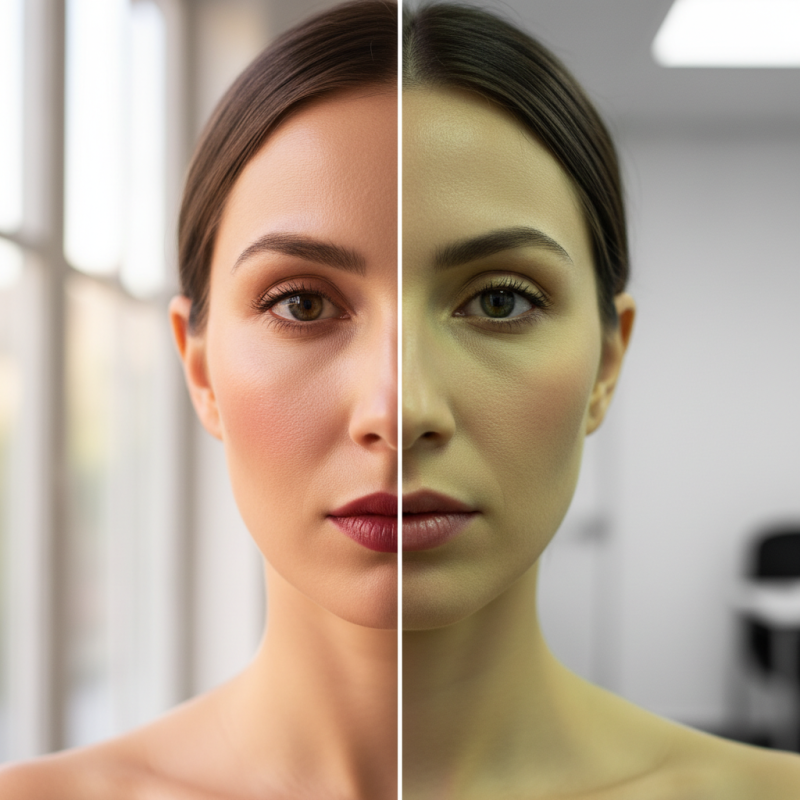
CRI, or Color Rendering Index, is a crucial metric in lighting. It measures a light source's ability to depict colors accurately. This becomes particularly significant when discussing skin tones. Accurate representation can influence how skin looks under different lighting conditions.
When lighting illuminates skin tones, a high CRI score helps to reveal the true hue and undertones. For instance, a warm light can make skin appear healthier and more vibrant. In contrast, low CRI lighting may wash out colors, causing skin to look dull or unnatural. Various professions, such as makeup artistry and healthcare, rely on accurate color representation.
Misunderstanding CRI can lead to significant issues. People may choose unsuitable lighting, compromising the visual experience. In artistic settings, poor CRI can distort the artistic intent. Achieving the right balance in color rendering requires expertise and careful consideration. It’s essential to reflect on how lighting choices impact the final outcome.
| CRI Value | Color Rendering Quality | Impact on Skin Tone | Recommended CRI for Makeup |
|---|---|---|---|
| 80 | Good | Moderate accuracy, may distort undertones | Sufficient for basic tasks |
| 90 | Very Good | High accuracy, better differentiation of hues | Ideal for professional settings |
| 95 | Excellent | True representation of skin tones | Perfect for photography and makeup artistry |
| 100+ | Outstanding | Provides the best color fidelity and vibrancy | Used in specialized and high-end applications |
Color Rendering Index (CRI) plays a critical role in how we perceive skin tones. A high CRI value indicates that a light source accurately reflects colors. For skin tones, this accuracy is essential in various fields, including photography, cosmetics, and healthcare. A CRI of 90 or above is often recommended for applications where color accuracy is paramount.
Research shows that light with a CRI of 95 or higher significantly enhances skin tone representation. According to a study by the International Lighting Commission, lighting with lower CRI values can distort skin tones, making them appear washed out or unnatural. Such distortions can lead to misunderstandings in essential sectors, like makeup application or medical diagnosis, where accurate color perception is crucial.
Tip: When selecting lighting for applications related to skin tones, always check the CRI value. Opt for lights with a CRI of at least 90 for optimal results. Remember that the environment matters, too. The color of walls and surfaces can affect how skin tones appear under various lights.
Improving accuracy in color perception involves ongoing adjustments. Even with high CRI lighting, variations in individual skin tones can pose challenges. Factors like undertones and ambient reflections can impact the final appearance. Regular assessments and adjustments can help professionals achieve more reliable results.
Understanding CRI, or Color Rendering Index, is essential for makeup choices. This metric measures how well light sources render colors compared to natural light. For individuals with varied skin tones, CRI can have a profound impact on how they perceive makeup products.
When choosing cosmetics, individuals with different skin tones should pay attention to CRI. A high CRI light source reveals the true undertones of foundation and blush. For instance, cooler skin tones may look better under lights with a CRI above 90. Conversely, warm skin tones might find a different shade under the same conditions. This can often lead to mismatches in color selection. Many consumers rely on artificial lighting that misrepresents colors.
Selecting the right makeup in inadequate lighting can lead to unsatisfactory results. Some may choose shades that don’t complement their skin tone, leading to a disconnect. Observing colors in natural daylight can help bridge this gap. It's a reminder that lighting significantly influences our cosmetic choices, affecting confidence and overall appearance. Awareness of CRI can improve makeup experiences for all skin tones.
Color Rendering Index (CRI) plays a crucial role in the beauty and fashion industries. High CRI lighting ensures that skin tones appear natural and vibrant. This is particularly important in makeup applications. Flawlessly applied foundation must match every complexion. Adequate lighting reveals true colors, avoiding harsh or misleading shades.
In retail settings, lighting design is vital. Stores aim to attract customers with appealing visuals. High CRI lights can create a welcoming atmosphere. They help showcase clothing colors accurately. This not only boosts customer confidence but also enhances the shopping experience. However, there are challenges. Not every lighting fixture offers a high CRI. Sometimes, budget constraints limit options.
The interplay between lighting and perception is complex. For instance, a garment might look stunning under certain lights but unappealing in others. Lighting can influence a customer's emotional response. Therefore, industry professionals must make informed choices. Continuous education about CRI and its effects is essential. The right lighting can define a brand’s identity.
CRI, or Color Rendering Index, plays a crucial role in accurately depicting skin tones. When assessing light sources for photography or video, understanding CRI is vital. A high CRI value, typically above 90, ensures that skin tones appear natural and vibrant. Poor lighting can distort colors, leading to unflattering results. Artists need to consider this when setting up their scenes.
Achieving accurate skin tone rendering requires best practices. Start by choosing light sources with high CRI ratings. Natural daylight is often ideal, but it varies throughout the day. Adjusting your lighting setup can help mitigate issues. For instance, using diffusers can soften harsh light and enhance skin tone accuracy. Additionally, consider the background and surface colors, as these affect how skin tones are perceived.
However, not all situations allow for perfect lighting. Challenges arise in artificial settings or during events, where control over light is limited. It's important to experiment and observe how different light sources affect your subject. Constantly evaluating results helps refine your approach and improve future outcomes. Being mindful of these factors promotes a deeper understanding of CRI's impact on skin tones.
: CRI ensures skin tones look natural and vibrant, which is essential for makeup application.
Quality lighting attracts customers and accurately showcases clothing colors, boosting confidence and enhancing the shopping experience.
Different lighting can alter how a garment appears; this affects how customers emotionally respond to products.
Opt for light sources with high CRI ratings and consider background colors, which impact how skin tones are viewed.
Natural daylight is generally ideal, but its quality changes throughout the day, impacting skin tone accuracy in photography.
Artificial settings or events may limit control over lighting, making it more difficult to achieve desired outcomes.
Experimenting with different light sources and using diffusers can help soften harsh lighting and improve skin tone rendering.
Continuous education about CRI is crucial. This knowledge helps professionals make informed lighting choices.
Yes, limited budgets can restrict options for high CRI lighting fixtures, impacting overall design quality.
Constantly assessing past lighting setups allows professionals to refine their approach for better future outcomes.
The article titled "What does CRI mean for skin tones and why is it important?" delves into the significance of Color Rendering Index (CRI) in accurately representing skin tones. CRI measures how faithfully colors are displayed under different lighting conditions, which is crucial in fields like cosmetology and fashion. An understanding of CRI helps professionals select appropriate lighting to enhance true skin tone representation, thus impacting consumer choices and satisfaction.
Moreover, the article discusses how poor CRI can distort color perception, leading to cosmetic mismatches for various skin tones. It emphasizes the importance of high CRI lighting in the beauty and fashion industries, affecting design choices and overall aesthetic appeal. Best practices for evaluating CRI are highlighted, underscoring its critical role in achieving accurate skin tone rendering and enhancing visual harmony in diverse applications.

Gravity Light