How to Convert Traditional Watts to LED Lumens Effectively?

Time:2026-05-07 Author:Sophia
0%

In today's lighting landscape, converting traditional watts to LED lumens is crucial. As energy efficiency gains importance, understanding this conversion can lead to smarter choices. Lighting expert Dr. Emily Carter emphasizes, "Understanding how to convert traditional watts to modern LED lumens empowers consumers to make informed decisions."

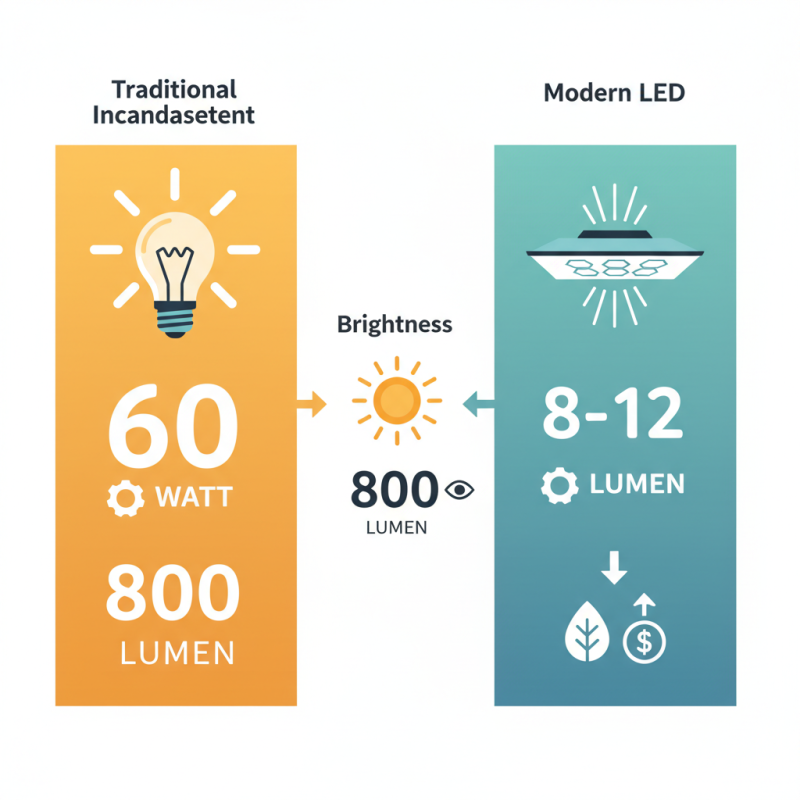
The shift from incandescent bulbs to LEDs has revolutionized the industry. This transition requires an understanding of how brightness and energy consumption interact. For example, a 60-watt incandescent bulb typically produces around 800 lumens. In contrast, a modern LED can provide the same brightness while consuming only 8-12 watts. This significant difference not only saves energy but also reduces costs in the long run.

However, navigating this information can be challenging. Misinformation exists, making it vital to rely on authoritative sources. Clarity around the conversion process can sometimes feel elusive. As consumers, we must reflect on our lighting choices and seek guidance from experts in the field. Understanding how to convert traditional watts to modern LED lumens is an essential step in embracing sustainable practices.
How to Convert Traditional Watts to LED Lumens Effectively?

Understanding Watts and Lumens: Key Definitions in Lighting

Understanding the relationship between watts and lumens is crucial for effective lighting decisions. Watts measure energy consumption, while lumens quantify light output. A common misconception is that more watts mean brighter light. This is not always true. For example, a traditional 60-watt incandescent bulb produces about 800 lumens. In contrast, an LED bulb can achieve the same brightness while only consuming 10 to 12 watts.

Recent studies by the U.S. Department of Energy indicate that LED technology can produce up to 100 lumens per watt. This efficiency offers consumers significant savings on energy bills. Furthermore, transitioning from traditional bulbs to LEDs is not only cost-effective but also an eco-friendly choice. However, it can be overwhelming to navigate the myriad of options available. Understanding color temperature and beam angle is essential for optimal use.

Some consumers mistakenly believe that all LEDs are the same. Variations in design can affect light quality and performance. Additionally, not all manufacturers maintain the same standards. It is vital to look for reliable certifications and reviews. This approach ensures you invest in lighting that meets your specific needs while retaining safety and durability. Balancing luminous efficacy and energy usage leads to better lighting experiences.

How to Convert Traditional Watts to LED Lumens Effectively?

Traditional Lighting (Watts) Equivalent LED (Lumens) Lighting Type
40 Watts 450 Lumens Incandescent
60 Watts 800 Lumens Incandescent
75 Watts 1100 Lumens Incandescent
100 Watts 1600 Lumens Incandescent
150 Watts 2600 Lumens Incandescent
200 Watts 3300 Lumens Incandescent

The Relationship Between Traditional Watts and LED Lumens Explained

When converting traditional watts to LED lumens, understanding the relationship between these measurements is crucial. Traditional incandescent bulbs typically emit about 10-17 lumens per watt. In contrast, LED lights can produce roughly 80-100 lumens per watt. This difference highlights the efficiency of LED technology.

To visualize, consider a 60-watt incandescent bulb. This bulb generates approximately 800 lumens. In comparison, an LED bulb providing the same brightness only requires about 8-10 watts. Such statistics suggest that switching to LED can drastically cut energy consumption.

However, there's a caveat. Not all LED products are created equal. Quality can vary, affecting lumen output. Reports indicate that many low-cost LEDs may not achieve advertised lux levels. Consumers need to do their homework. Finding reliable manufacturers and understanding true lumen output is essential. This way, consumers can maximize energy savings while enjoying adequate illumination.

Calculating LED Lumens from Conventional Light Bulb Wattages

When converting traditional wattages to LED lumens, understanding the efficiency ratios is crucial. For example, traditional incandescent bulbs emit approximately 10-17 lumens per watt. In contrast, LED bulbs produce about 80-100 lumens per watt. This stark difference in efficiency highlights the potential for significant energy savings.

A 60-watt incandescent bulb provides around 800 lumens. To achieve similar brightness with an LED, you would only need a 10-12 watt bulb. This shift not only cuts energy consumption but also reduces electricity costs. However, users sometimes underestimate the benefits. Not all LEDs are created equal; some may not deliver the promised lumens, falling short in performance.

Reports suggest that many consumers still rely on wattage instead of lumens when choosing bulbs. This approach can lead to dissatisfaction. It is essential to read packaging carefully. When purchasing, look for the lumen output instead of just the wattage. Brands and manufacturers often vary in their lumen ratings, necessitating a critical eye. Transitioning to LED can be rewarding, but it’s vital to make informed decisions based on reliable data.

Industry Standards for Lumen Output: A Comparison of Lighting Types

Understanding lumen output is essential for effective lighting solutions. Traditional incandescent bulbs provide about 10-17 lumens per watt. In contrast, LED lights produce 80-100 lumens per watt. This means LED technology is significantly more efficient. Reports suggest that transitioning to LEDs can save up to 75% on energy costs.

The Illuminating Engineering Society (IES) has established guidelines for lumen output across various lighting types. For instance, a 60-watt incandescent bulb averages around 800 lumens. When replacing it with an LED, consumers may look for products offering around 800 lumens, typically powered by just 10-12 watts. In commercial settings, a higher lumen output is vital. For example, office spaces often require a minimum of 300-500 lumens per square meter to ensure productivity.

It's crucial to reflect on these standards for different environments. Not every space requires the same lumen level. Over-lighting can cause glare and discomfort. Consumers should consider their unique needs when choosing lumens. As the market evolves, staying informed about lumen efficacy is essential. Proper illumination enhances safety and aesthetics.

How to Convert Traditional Watts to LED Lumens Effectively?

Tips for Choosing the Right LED Replacement Based on Lumens Needed

When selecting LED replacements, understanding lumens is vital. Lumens measure light output, while watts measure power consumption. Many consumers confuse these terms. As a result, they may choose LEDs that do not provide adequate brightness.

Data from the U.S. Department of Energy notes that a 60-watt incandescent bulb typically produces about 800 lumens. To replace this, look for an LED bulb that offers similar lumens without the high wattage. LEDs can provide this level of brightness while using about 8-12 watts. Thus, energy savings are significant, enhancing efficiency.

Consider the space where the light will be used. For ambient lighting, 100-300 lumens per square meter is often sufficient. In contrast, task lighting requires higher output, around 500 lumens. Evaluate your needs carefully. Rushing can lead to purchasing bulbs that are either too dim or excessively bright for the situation. Checking lumens instead of just watts ensures a better fit in your lighting design. This mindful approach results in a more comfortable and functional environment.

FAQS

: What do watts and lumens measure in lighting?

: Watts measure energy consumption; lumens measure light output. Higher watts don’t always equal brighter light.

How many lumens does a 60-watt incandescent bulb produce?

A 60-watt incandescent bulb produces approximately 800 lumens.

How efficient are LED bulbs compared to traditional bulbs?

LED bulbs produce about 80-100 lumens per watt. Traditional bulbs emit only 10-17 lumens per watt.

Are all LED bulbs created equal?

No, quality varies among LED products. Some may not meet advertised lumen output.

How can I identify a reliable LED bulb?

Look for certifications and read reviews. Ensure the bulb meets your specific needs for safety and durability.

What should I focus on when buying light bulbs?

Focus on lumen output instead of just wattage. Packaging often highlights lumens, which is crucial for brightness comparison.

Can switching to LED bulbs reduce energy costs?

Yes, switching to LED can drastically cut energy consumption and lower electricity bills over time.

Why do some consumers still rely on wattage?

Many people mistakenly believe higher wattage means brighter light. This can lead to disappointment when choosing bulbs.

What mistakes should I avoid in lighting choices?

Avoid underestimating LED benefits. Do your homework on manufacturers and check lumen ratings carefully.

How can I ensure I'm making informed lighting decisions?

Research reliable data about lumens and wattages. Being critical helps enhance your lighting experience.

Conclusion

In the quest to enhance energy efficiency in lighting, understanding "How to convert traditional watts to modern LED lumens" is crucial. This article begins by defining watts and lumens, explaining their significance in lighting. It further elucidates the relationship between the wattage of traditional incandescent bulbs and the lumens produced by LED lighting, revealing how LED technology can provide more light while consuming less energy.

The guide also offers practical calculations to determine the appropriate LED lumen output based on conventional bulb wattages. By comparing industry standards for lumen output across different lighting types, it equips readers with the knowledge necessary to make informed decisions. Finally, readers are encouraged to consider their specific lighting needs and follow tips for selecting the right LED replacements that match the desired lumen output, thus ensuring both efficiency and satisfaction in their lighting choices.

Sophia

Sophia

Sophia is a dedicated marketing professional with an exceptional depth of knowledge about her company's products and services. With a keen understanding of market trends and customer needs, she crafts insightful blog posts that not only inform but also engage readers, enriching the company’s online......