In today's workspace, the color temperature of lighting plays a crucial role in productivity and comfort. Experts in the field emphasize the importance of this choice. "The right color temperature can make or break your workspace efficiency," says Dr. Emily Bright, a leading interior design consultant specializing in home offices. Understanding how to choose the right color temperature for a home office is vital for creating an environment that fosters focus and creativity.
Selecting the appropriate color temperature can feel overwhelming. Warm tones can create a cozy atmosphere, while cooler shades can enhance alertness. A balanced approach may not always be clear, and many might struggle to find what truly works. Your space should reflect your style and preferences while accommodating your work needs. Testing different bulbs or fixtures can reveal surprising differences.
Moreover, reflections on personal productivity can be enlightening. What works for one person may not suit another. Lighting isn't just about aesthetics; it impacts mood and energy levels. Therefore, exploring various options and being open to change is essential for achieving the ideal home office environment.
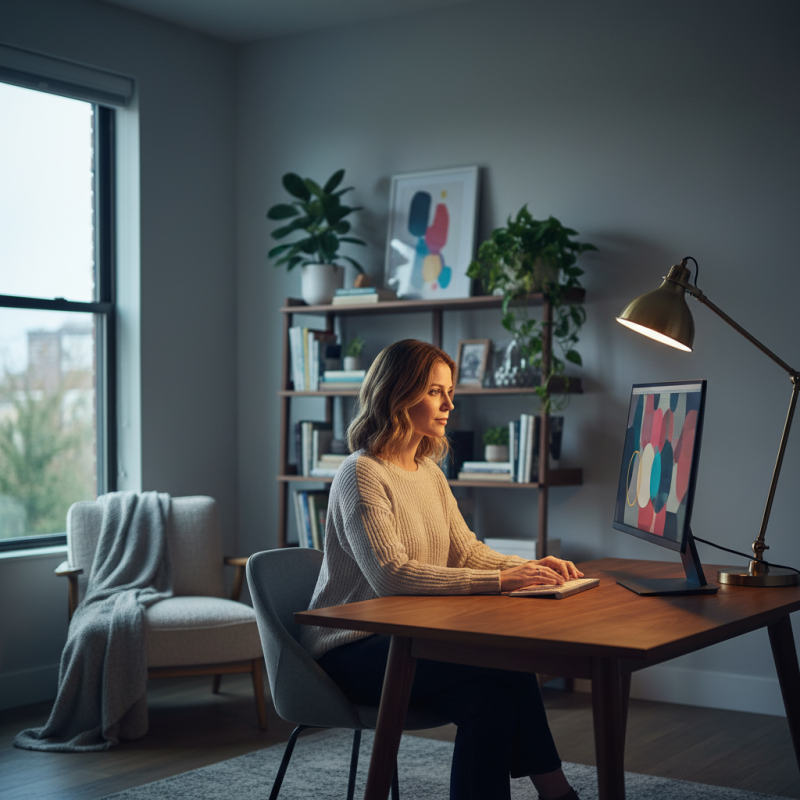
Understanding color temperature is vital for creating an effective home office. It impacts our mood, productivity, and well-being. Color temperature is measured in Kelvin (K). It ranges from warm (below 3000K) to cool (above 5000K). Research by the Lighting Research Center shows that cool light improves alertness, while warm light creates comfort.
Selecting the right color temperature can enhance focus. Aim for a cooler light around 4000K to 5000K, particularly in the early morning. This range helps increase concentration and reduces eye strain. Remember, your desk lamp should match your main light source.
Consider natural light as well. Aim for a setup that allows daylight. Natural light supports mood and energy levels. Yet, not all of us have windows. A mix of warm and cool lights can balance your environment. A study from the National Institute of Health suggests that improper lighting can lead to fatigue.
Adjusting your office lighting is a personal journey. Experiment with different temperatures. Note how each setting affects your work. Too cool can be harsh; too warm may induce sleepiness. Your goal is to find a balance that suits your needs.
| Tip | Color Temperature (Kelvin) | Ideal Use |
|---|---|---|
| 1. Warm White Light | 2700K - 3000K | Relaxing environments, evenings |
| 2. Neutral White Light | 3500K - 4100K | General tasks, reading |
| 3. Cool White Light | 4100K - 5000K | Focus-intensive work, detailed tasks |
| 4. Daylight | 5000K - 6500K | Creative tasks, vibrant atmosphere |
| 5. Task Lighting | 3000K - 5000K | Specific tasks, highlighting areas |
: Color temperature indicates the warmth or coolness of light, measured in Kelvin (K).
It impacts mood, productivity, and overall well-being in your work environment.
Aim for a cooler light between 4000K to 5000K to enhance concentration and reduce eye strain.
Natural light supports mood and energy levels, but not everyone has access to windows.
Yes, combining both can create a balanced environment, especially if natural light isn't available.
Warmer light can inspire creativity, while cooler light suits detailed tasks better.
Smaller rooms may need brighter light to feel spacious, but avoid excess brightness to prevent glare.
Yes, different times of day have varied light qualities. Adjusting can improve comfort and productivity.
Too cool may be harsh, and too warm may cause sleepiness. Consider experimenting with settings.
Keep notes on how different lighting affects your mood and productivity, and adjust as needed.
Choosing the right color temperature for a home office is crucial for creating a productive and comfortable workspace. Understanding color temperature helps you make informed decisions about lighting, as it influences mood and focus. Warm color temperatures (around 2700K to 3000K) can foster relaxation, while cool temperatures (above 5000K) are ideal for enhancing alertness and concentration.
To effectively choose the right color temperature for a home office, evaluate your specific needs based on the type of tasks you'll be performing. Testing different light sources can help you determine what works best for you. Additionally, balancing color temperature with other elements, such as natural light and room color, ensures a well-lit environment that enhances both productivity and comfort.

 Gravity Light