How to Choose Between Warm White and Cool White Lighting?

Time:2026-07-27 Author:Mason
0%

Choosing the right lighting can profoundly impact our daily lives. When deciding between warm white and cool white lighting, understanding “What is the difference between warm white and cool white” is crucial. Warm white light typically ranges from 2700K to 3000K. It creates a cozy, inviting atmosphere. In contrast, cool white light spans from 4000K to 5000K, offering a more vibrant and energizing feel.

According to the Illuminating Engineering Society, color temperature significantly influences mood and productivity. Warm white lighting is often preferred in homes and restaurants for relaxation. Conversely, cool white lighting is common in offices and educational settings. A 2020 study indicated that 45% of individuals feel more focused under cool white light. However, bright white light may sometimes feel too harsh in residential spaces.

Choosing the right type requires thoughtful consideration. Lighting should match the environment and the desired mood. Personal preferences vary widely. It's worth exploring how different lighting affects you. Test both options in your space. Reflect on how they make you feel. Ultimately, this choice can transform your surroundings and experience.
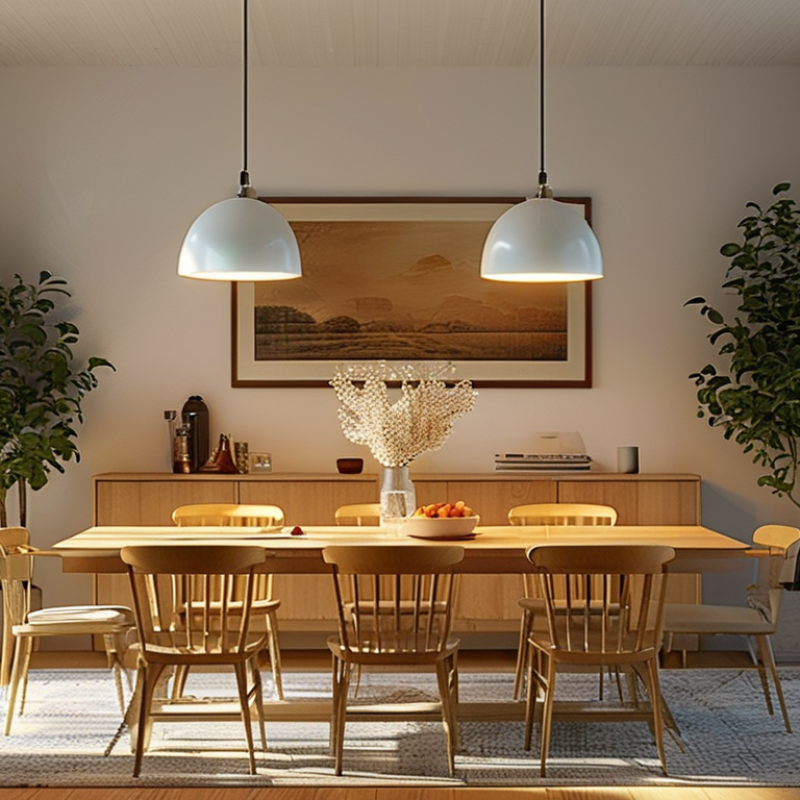
How to Choose Between Warm White and Cool White Lighting?

Understanding the Basics of Warm White and Cool White Lighting

When deciding between warm white and cool white lighting, understanding their basic characteristics is crucial. Warm white light emits a soft, yellowish glow, typically ranging from 2700K to 3000K. This kind of lighting can create a cozy atmosphere. It is favored in residential settings like living rooms and dining areas. According to industry data, warm lighting can enhance relaxation, which may lead to improved mood and comfort levels.

On the other hand, cool white light has a bluish tone, generally ranging from 4000K to 5000K. This light is ideal for task-oriented areas such as kitchens or offices. A recent report highlighted that cool lighting can increase alertness and productivity by up to 20%. For many, the choice between the two can be challenging. It often depends on the intended use of the space, as well as personal preference.

There are also reflections to consider. Warm white may not always enhance visibility in certain work environments. Similarly, cool white can feel sterile in cozy living areas. Understanding these nuances helps consumers make informed decisions. Balancing functionality with emotion is key when choosing lighting options for any space.

How to Choose Between Warm White and Cool White Lighting? - Understanding the Basics of Warm White and Cool White Lighting

Aspect Warm White Cool White
Color Temperature (Kelvin) 2700K - 3000K 4000K - 5000K
Ambiance Cozy and Inviting Bright and Energetic
Ideal Usage Areas Living Rooms, Bedrooms Kitchens, Office Spaces
Emotional Impact Calmness, Warmth Focus, Alertness
Light Effect Soft Glow Bright and Clear
Energy Efficiency Typically lower Typically higher

Identifying the Color Temperature Scale and Its Significance

Choosing between warm white and cool white lighting involves understanding the color temperature scale. The scale is measured in Kelvin (K) and ranges from about 2700K to 6500K. Warm white lighting (2700K-3000K) gives a cozy, inviting feel, perfect for homes and hospitality settings. This range mimics the glow of a setting sun. In contrast, cool white lighting (4000K-5000K) offers a brighter, more energizing atmosphere. It is often used in offices and retail spaces for increased productivity. According to a study by the Lighting Research Center, appropriate color temperature can improve mood and work efficiency.

When selecting lighting, consider the room's purpose. For relaxation areas like bedrooms and living rooms, warm white is ideal. For tasks that require focus, such as reading or working, cool white may be preferable. The right choice can enhance your environment significantly.

Tips: Test lights before purchasing. Observe how they affect your space. Remember, the same bulb can look different under various conditions. Do not rush; reflect on how you want the area to feel. Always account for natural daylight, as it can alter perceptions.

Comparing the Ambiance Created by Warm vs. Cool White Lighting

Choosing between warm white and cool white lighting can significantly affect a room's ambiance. Warm white lighting, usually between 2700K and 3000K, provides a cozy, inviting feel. It mimics the glow of candlelight or sunset. Research indicates that warm light enhances relaxation and comfort. In spaces like living rooms or bedrooms, warm white can create a nurturing atmosphere. According to the Lighting Research Center, such lighting can increase feelings of warmth by about 20%.

On the other hand, cool white lighting, ranging from 4000K to 5000K, offers a more energetic vibe. It closely resembles daylight and is ideal for workspaces. Studies show that cooler light enhances alertness and productivity. Offices or kitchens benefit from this type, as it promotes focus. However, excessive cool lighting can lead to a sterile feel, making spaces less comforting. In ideal scenarios, balancing both light types is key. A combination can cater to various activities while avoiding a harsh or overly warm environment. The interaction between light temperature and mood necessitates thoughtful consideration.

Determining the Best Applications for Warm and Cool White Lighting

Choosing the right lighting can significantly impact your space's atmosphere. Warm white lighting, with a color temperature of around 2700K to 3000K, creates a cozy feel. It's ideal for residential settings, such as living rooms and bedrooms. Studies show that warm white lighting can improve relaxation and comfort, making it popular in home decor.

In contrast, cool white lighting, typically between 4000K and 5000K, is often preferred in workspaces. This lighting enhances concentration and productivity. A report by the Lighting Research Center indicates that cooler temperatures can increase alertness and reduce eye strain in office environments. These characteristics make cool white lighting suitable for places like kitchens and offices.

Both lighting types have their place. However, choosing between them can be challenging. Some individuals find warm lighting too dim for task-oriented spaces. Others believe cool lighting feels sterile. Understanding specific needs is crucial for creating the desired ambiance. Being aware of your unique requirements will guide your decision in choosing the right lighting for your area.

Comparison of Warm White and Cool White Lighting Applications

This chart compares the suitability of Warm White (3000K) and Cool White (5000K) lighting across different home and office spaces, helping determine the best applications for each type of lighting based on subjective preference and functionality.

Assessing Personal Preferences and Practical Considerations in Lighting Choices

Lighting choices significantly influence the ambiance and functionality of a space. When selecting between warm white and cool white lighting, personal preferences play a crucial role. Warm white light, with a color temperature around 2700K-3000K, creates a cozy and inviting atmosphere. This type of lighting is ideal for residential areas like living rooms and bedrooms. A study from the Lighting Research Center indicates that spaces illuminated with warm lighting can enhance relaxation and social interaction.

Cool white light, on the other hand, ranges from 3500K-4100K. This lighting tends to promote alertness and productivity, making it suitable for workplaces and study areas. According to the International Association of Lighting Designers, cool lighting can improve focus and reduce eye strain. However, it may not always evoke the warmth desired in personal spaces. It’s important to assess how each type of lighting interacts with color schemes and furniture styles.

Reflecting on personal needs can be enlightening. For instance, some might prefer the brightness of cool lights, while others crave the warmth of incandescent tones. Balancing aesthetics and practicality is essential. Lighting should serve both function and mood, yet personal preferences can sometimes contradict practical needs. Exploring both options before making a final decision allows for a well-rounded view of how these lighting choices affect everyday life.

FAQS

: What is warm white lighting and its benefits?

: Warm white lighting emits a yellowish glow, typically between 2700K-3000K. It creates a cozy atmosphere, improving relaxation.

Where is warm white lighting most effective?

This type of lighting works well in residential settings, especially living rooms and bedrooms. It enhances comfort levels.

What characterizes cool white lighting?

Cool white lighting has a bluish tone, generally ranging from 4000K to 5000K. It's ideal for task-oriented spaces.

How does cool white lighting boost productivity?

Cool lighting can increase alertness and productivity by up to 20%. It's suitable for kitchens and offices where focus is vital.

What are some drawbacks of warm white lighting?

Warm white may not enhance visibility in work environments, making it less ideal for task-oriented tasks.

Can cool white lighting feel uncomfortable in homes?

Yes, cool white lighting might feel sterile in cozy living areas. Balancing comfort and functionality is essential for spaces.

How do personal preferences influence lighting choices?

Personal needs matter. Some prefer warm lighting for relaxation, while others seek the brightness of cool lights for productivity.

Should aesthetics or practicality guide lighting decisions?

Both factors are important. Aesthetics can enhance mood, but practicality is essential for functionality. Reflect on your priorities.

What should consumers consider when choosing lighting?

Consider the intended use of the space and how each lighting type interacts with room colors. Make informed decisions.

Is it beneficial to explore both lighting options?

Yes, trying both options allows for a better understanding of how they impact your space and everyday life. Reflect before deciding.

Conclusion

When choosing between warm white and cool white lighting, it's essential to understand the fundamental differences and their implications for your space. Warm white lighting, typically ranging from 2700K to 3000K, creates a cozy and inviting atmosphere, making it ideal for living rooms and bedrooms. In contrast, cool white lighting, which ranges from 3500K to 4100K, has a brighter, more energizing effect, suitable for workspaces and kitchens.

One key aspect is the color temperature scale, which helps to identify how different lighting affects ambiance. Assessing personal preferences and practical considerations, such as the purpose of the room and the desired mood, plays a crucial role in this decision-making process. Ultimately, understanding "What is the difference between warm white and cool white?" helps you make informed choices that enhance your space effectively.

Mason

Mason

Mason is a seasoned marketing professional with a deep expertise in the company's offerings and a passion for driving brand awareness. With a strong background in digital marketing strategies, he has an innate ability to connect with diverse audiences and effectively communicate product benefits.......