When choosing lighting for a space, the decision between warm white and cool white can significantly influence ambiance. According to lighting expert Dr. Steven Lightman, "What is the difference between warm white and cool white? It's all about mood and function." This distinction can affect both your emotional response and productivity levels.
Warm white lighting, usually between 2700K to 3000K, creates a cozy, inviting atmosphere. It’s ideal for living rooms and bedrooms, where relaxation is key. In contrast, cool white lighting, ranging from 4000K to 5000K, promotes alertness. This light is better suited for kitchens, workspaces, or areas requiring focus.
Understanding this choice requires reflection. Consider how you feel in each type of light. Does one make you feel more energized? Or does the other provide a comforting glow? Your personal experience should guide your decision. Balancing functionality with emotional resonance is crucial in creating spaces that truly reflect your lifestyle.
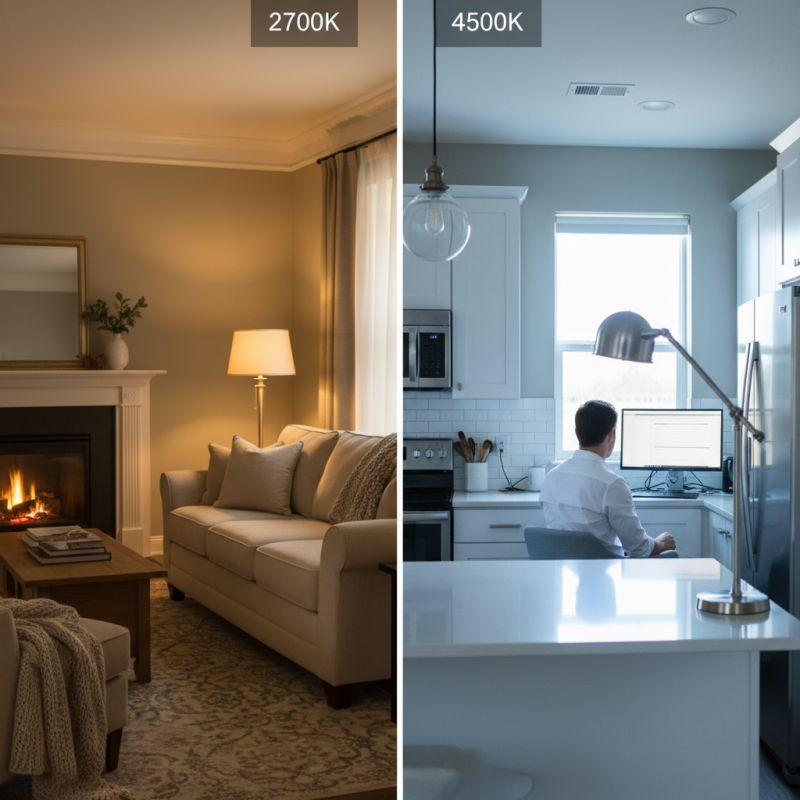
When we think about lighting, color temperature is a crucial element. It is measured in Kelvin (K) and determines how warm or cool the light appears. Warm white light generally ranges from 2700K to 3000K. This type of lighting creates a cozy and inviting atmosphere. It mimics the soft glow of traditional incandescent bulbs. Many people prefer warm white lighting for bedrooms and living rooms. It promotes relaxation and comfort.
Cool white light, on the other hand, ranges from 4000K to 5000K. This lighting offers a brighter and more invigorating feel. It resembles daylight and can enhance visibility. Cool white light is often chosen for workspaces, kitchens, and bathrooms. It helps in maintaining focus and has a more energetic vibe. However, too much cool light can feel harsh and unwelcoming in intimate spaces.
Choosing between warm and cool white lighting depends on the environment and purpose. Take time to test both types in your space. Pay attention to how each light affects your mood and the room’s overall ambiance. Ultimately, the right choice comes down to personal preference and the specific atmosphere you wish to create. Keeping this in mind, what fits one room may not work in another. Reflect on your needs and preferences before deciding.
| Lighting Type | Color Temperature (Kelvin) | Best Uses | Mood |
|---|---|---|---|
| Warm White | 2700K - 3000K | Living rooms, bedrooms, restaurants | Cozy, relaxed, inviting |
| Cool White | 4000K - 5000K | Kitchens, offices, retail spaces | Bright, alert, focused |
| Daylight | 5000K - 6500K | Task lighting, outdoor lighting | Energetic, clear, refreshing |
: Color temperature measures how warm or cool light appears, indicated in Kelvin (K).
Warm white light ranges from 2700K to 3000K. It creates a cozy and inviting atmosphere.
It is ideal for bedrooms and living rooms. It promotes relaxation and comfort in these spaces.
Cool white light ranges from 4000K to 5000K. It provides a brighter and more energizing effect.
It is often chosen for workspaces, kitchens, and bathrooms. It helps maintain focus and productivity.
Test both types in your space. Reflect on how they affect your mood and the room’s atmosphere.
Think about your needs, personal preferences, and room characteristics. Experimenting can yield better results.
Yes, over time, cool lighting can feel harsh. It might be unwelcoming in intimate spaces.
Warm lighting may not provide enough illumination for tasks. It can be less effective in work settings.
Reflecting on your preferences helps create a harmonious environment tailored to your needs.
The article explores the essential differences between warm white and cool white lighting, underlining the significance of color temperature in illumination. Warm white lighting, characterized by a yellowish hue, creates a cozy, inviting ambiance, making it ideal for residential spaces such as living rooms and bedrooms. In contrast, cool white lighting emits a bluish tint, providing a bright, energizing atmosphere that can enhance functionality in areas like kitchens and offices.
What is the difference between warm white and cool white is not just a question of aesthetic appeal but also of how light affects mood and productivity. The article provides practical tips for selecting the appropriate lighting based on the intended use of a space, emphasizing the importance of aligning your lighting choice with the overall design and purpose of each room.

 Gravity Light