In today’s digital age, many people struggle with sleep difficulties. One of the key culprits is blue light. Research shows that blue light exposure before bedtime can disrupt circadian rhythms. According to a study published in the *Journal of Clinical Sleep Medicine*, individuals exposed to blue light reported decreased sleep quality by approximately 30%. This stark statistic highlights why avoid blue light exposure before going to sleep is crucial.
Blue light suppression of melatonin, the body’s sleep hormone, is a significant concern. A report from the Harvard Health Publishing explains that blue light can inhibit melatonin production effective for up to three hours. This means even short instances of screen time can impact your rest. Moreover, the excessive use of devices before bed can lead to increased alertness and difficulty in falling asleep.
Neglecting the consequences of blue light can lead to long-term health issues. The Centers for Disease Control and Prevention (CDC) reports that inadequate sleep is linked to obesity, diabetes, and cardiovascular diseases. It’s vital to recognize these patterns and make conscious efforts to minimize blue light exposure at night. Small changes can lead to significant improvements in sleep quality and overall health.
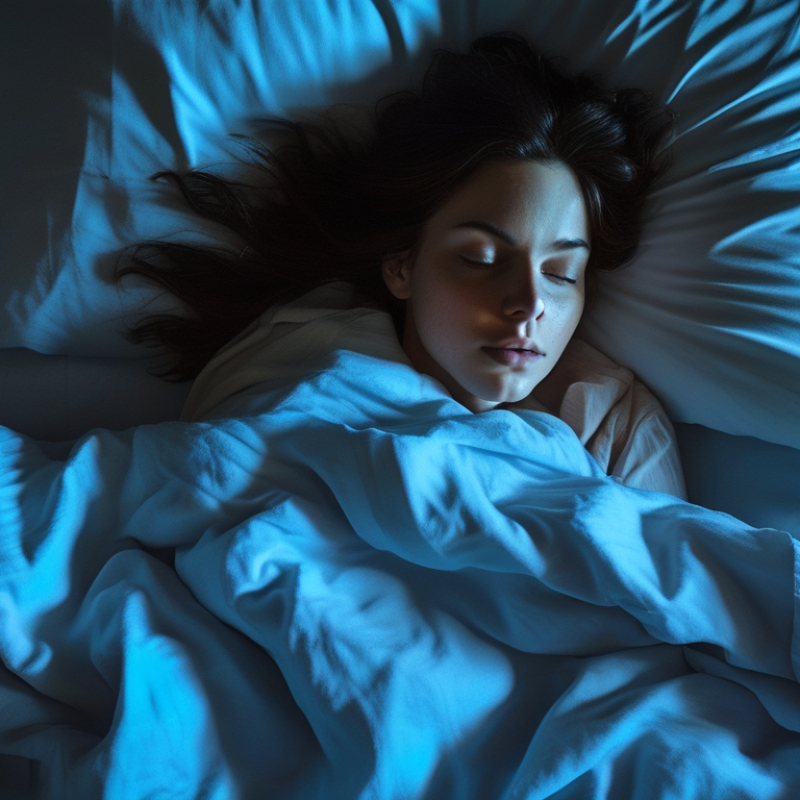
In our modern lives, blue light exposure has become a common issue. Devices like smartphones, tablets, and computer screens emit significant amounts of blue light. This type of light interferes with the body's natural sleep-wake cycle. Many people are unaware that prolonged exposure to these devices can lead to sleep problems.
Research indicates that blue light impacts melatonin production. Melatonin is essential for regulating sleep. When levels are disrupted, falling asleep becomes more difficult. It is especially concerning at night, when our bodies prepare for sleep. Observing your device usage before bed can reveal how often you expose yourself to blue light.
Consider the environment you create for sleep. Dim lighting, fewer screens, and calming activities can help. You may find that reducing screen time before bed improves your quality of sleep. Reflect on your habits and the light around you. Making small changes could lead to better rest.
: Blue light can disrupt sleep quality by hindering melatonin production, making it harder to fall asleep.
Blue light can throw off our circadian rhythms, which can lead to sleep and mood disorders.
It’s best to limit blue light exposure at least one hour before bedtime.
Dim the lights and engage in relaxing activities like reading or listening to music before sleep.
Good sleep hygiene improves mood, energy levels, and cognitive function for better overall health.
Blue light filters can help, but they are not foolproof; limiting screen time is more effective.
A cool, dark, and comfortable room can help enhance sleep quality.
Poor sleep habits can lead to increased reliance on technology and a cycle of poor rest.
Avoid stimulating activities and choose calming actions to ease the transition to sleep.
Consider current habits and adjust them for better sleep hygiene and health outcomes.
Blue light, emitted from various sources such as smartphones, tablets, and LED lights, significantly impacts our sleep quality and circadian rhythm. Understanding why to avoid blue light exposure before going to sleep is crucial for achieving a restful night. Exposure to blue light can disrupt the natural sleep-wake cycle, making it more challenging to fall asleep and stay asleep, as supported by several scientific studies linking blue light to sleep disturbances.
To mitigate these effects, practical tips such as reducing screen time in the evening, using blue light filters, and creating a calming bedtime routine can be effective strategies. Emphasizing the importance of sleep hygiene further enhances overall health and well-being, making it essential to cultivate a sleep-friendly environment free from blue light distractions. By prioritizing these practices, individuals can significantly improve their sleep quality and overall health.

 Gravity Light