Home security is a top priority for many homeowners. One effective solution is to learn how to automate outdoor lights for home security. Well-lit areas deter potential intruders and create a safe environment. By implementing smart lighting systems, homeowners can enhance their security with minimal effort.
Automating outdoor lights involves using timers, motion sensors, or smart home technology. These systems not only improve safety but also offer convenience. Imagine walking into a well-lit yard when you arrive home late. However, it's essential to consider the installation process and the type of technology suited for your home. Not all systems are perfect, and some may require adjustments for optimal performance.
Investing in outdoor lighting automation can be challenging. You might face technical issues or compatibility problems with existing devices. It's crucial to research products and seek expert advice when necessary. With careful planning, automating outdoor lights can significantly bolster your home's security and provide peace of mind.
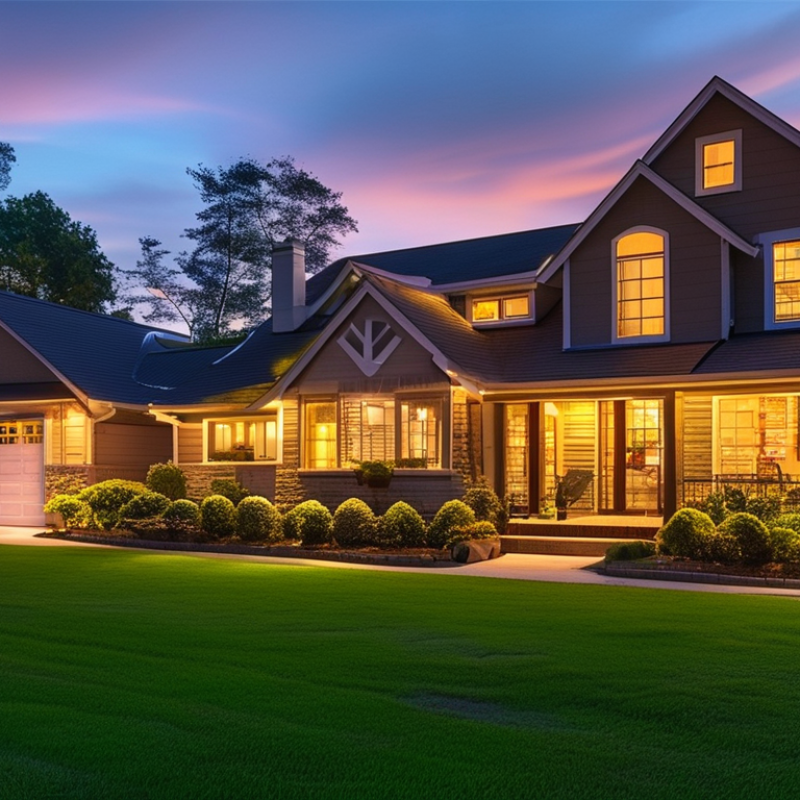
Outdoor lighting is a crucial aspect of home security. It serves as a deterrent against potential intruders. Well-lit areas make it harder for criminals to approach unnoticed. Motion-sensor lights can illuminate dark corners, enhancing visibility. This not only protects your property but also creates a feeling of safety for residents.
Furthermore, outdoor lighting helps in identifying suspicious activities. Many break-ins occur under the cover of darkness. By ensuring your home is brightly lit, you reduce the chances of an incident. However, it’s important to find a balance. Overly bright lights can create glare and cause discomfort. It's essential to consider the layout and specific needs of your property.
While outdoor lighting enhances security, there are challenges. Not all areas are easily accessible for wiring. Solar-powered lights offer a solution but may have limited brightness. Those with motion sensors can sometimes be overly sensitive. This might lead to frequent annoyances with false alarms. Assessing your home’s unique needs will improve effectiveness without unnecessary disturbances.
When considering outdoor lights for security automation, choosing the right types is crucial.
Motion-sensor lights are among the most effective. These lights activate upon detecting movement, illuminating dark areas around your home. Reports show that homes with motion-sensor lighting are 30% less likely to be targeted by intruders. Such lights act as an excellent deterrent.
Another option is flood lights, providing broad illumination. They cover large areas and are ideal for backyards and driveways. Flood lights can be equipped with smart technology to operate on schedules or networks.
A study by the International Association of Security Professionals indicates that 68% of burglaries occur in poorly lit areas. Utilizing flood lights effectively reduces these risks.
Solar-powered lights also deserve attention. They are eco-friendly and easy to install. These lights charge during the day and automatically illuminate at night. However, their effectiveness can vary based on sunlight availability. Users should consider local climate conditions. Finding the right outdoor lighting system requires assessing individual needs and preferences while keeping security at the forefront.
Automating outdoor lights is a smart move for enhancing home security. With the rise of smart home technology, many options are available. You can choose motion sensors, timers, or smart bulbs.
Motion sensors activate lights when they detect movement. This not only deters potential intruders but also improves safety for you and your family.
Smart bulbs can be managed through an app. They allow homeowners to control lighting remotely. You can set schedules for when lights should turn on or off. This creates an illusion of occupancy, which is crucial while you are away.
Timers are another simple solution. They provide consistent lighting patterns that suggest someone is home. However, it's important to avoid static routines that could be easily recognized.
While these technologies add a layer of security, the setup may require trial and error. Configuring different sensors and lights can be challenging. Not all solutions work seamlessly together, and compatibility can be an issue.
Regular updates to your devices can also be a hassle. It's vital to stay informed about the latest risks and enhancements in smart home technology. This will help you maintain a secure environment for your home.
Automating outdoor lights can significantly enhance home security. Studies show that well-lit homes are less likely to be targeted by burglars. According to the Bureau of Justice Statistics, over 60% of burglaries occur during the night. A simple installation of smart outdoor lighting can deter potential intruders.
To set up your automated outdoor lighting, consider a few essential steps. Begin with motion sensors. These devices detect movement and trigger lights to turn on. A report from the National Institute of Justice suggests that homes with motion-activated lights see a reduction in crime. Position sensors near entrances and dark areas for maximum effectiveness.
Next, utilize timers and smart speakers. Timers can mimic your presence by turning lights on and off at intervals. Many smart home systems offer customizable schedules. Remember to test and adjust settings regularly. Sometimes, over-automation leads to predictable patterns, reducing effectiveness. Maintaining an element of unpredictability can enhance security. Ensure your outdoor lights are energy-efficient to reduce costs while improving safety.
| Step | Description | Required Equipment | Estimated Cost | Time to Setup |
|---|---|---|---|---|
| 1 | Identify areas for outdoor lighting to enhance security. | N/A | $0 | 1 hour |
| 2 | Select smart outdoor lights compatible with automation systems. | Smart lights | $50 - $200 | 2 hours |
| 3 | Install the smart outdoor lights in the chosen locations. | Screwdriver, mounting tools | $10 | 1 hour |
| 4 | Set up the lighting automation through a smart home hub or app. | Smart home hub or app | $0 - $100 | 1 hour |
| 5 | Create a schedule for the lights to turn on and off automatically. | N/A | $0 | 30 minutes |
| 6 | Test the system to ensure lights activate as programmed. | N/A | $0 | 30 minutes |
| 7 | Adjust settings as necessary for optimal performance. | N/A | $0 | 15 minutes |
Automating your outdoor lights enhances home security significantly. However, maintaining this system is crucial to ensure effectiveness. Regular checks on sensors and timers help guarantee proper functioning. If a light doesn't activate as scheduled, it might be an indicator of a malfunction.
Remember to clean your lighting fixtures periodically. Dust and debris can obstruct sensors, leading to insufficient illumination at night. Consider using a soft cloth or a gentle cleaner to avoid damage. Regular maintenance can also prolong the lifespan of your lights.
Consider setting a schedule for when the lights should operate. Automated systems can sometimes become misaligned with daylight changes. Adjusting settings seasonally can help maintain security levels effectively. Ensure all connections are secure to prevent power loss. Periodically reassessing your entire lighting system allows you to adapt to new security needs. It’s essential to stay proactive and not wait for issues to arise.
: Outdoor lighting deters intruders and enhances visibility. Well-lit areas make it hard for criminals to approach unnoticed.
Motion-sensor lights activate when they detect movement, illuminating dark corners and deterring potential intruders effectively.
Overly bright lights can cause glare and discomfort. It's important to balance lighting for safety and comfort.
Solar-powered lights can be useful, but they may provide limited brightness. Assess their suitability for your property.
Smart bulbs can be controlled remotely via an app, allowing you to set schedules and create an illusion of occupancy.
Regularly check sensors and timers, and clean fixtures to avoid obstructions and ensure proper functioning of lights.
Automated systems may misalign with changing daylight. Seasonal adjustments help maintain consistent security levels effectively.
Compatibility issues and the need for regular updates can complicate setup. Trial and error may be necessary for optimal function.
Regular reassessment is essential to adapt to new security needs. Proactive measures prevent issues and enhance effectiveness.
If a light fails to activate, it may indicate a malfunction. Regular checks ensure all components are working correctly.
Automating outdoor lights is a crucial component of enhancing home security. Understanding the importance of outdoor lighting can significantly deter intruders and create a safer environment around your property. When considering how to automate outdoor lights for home security, it's essential to explore various types of outdoor lights that are suitable for automation, such as motion-sensor lights, floodlights, and programmable LED fixtures.
Smart home technology offers multiple options for integrating automated outdoor lighting, allowing homeowners to control their lighting systems remotely or set them on schedules. This article provides a step-by-step guide to setting up automated outdoor lighting, along with best practices for maintaining the system to ensure optimal performance. By effectively implementing these systems, you can enhance your home’s security while enjoying the convenience of modern technology.

Gravity Light