Creating a stunning wash effect on a feature wall can transform any space. According to interior design expert Sarah Johnson, “The right wash technique adds depth and character.” Achieving this look requires both skill and vision.
Understanding how to create a "wash" effect on a feature wall involves selecting the right paint and tools. It’s essential to choose colors that harmonize with your surroundings. Experimenting with various techniques will lead to unique results. Mistakes are part of the process. You may need to try multiple applications to achieve the desired effect.
The wash effect might not always turn out as expected. It may require adjustments and patience. Each wall is different, and environmental factors can play a role. Yet, with practice and creativity, you can master the art of creating a wash effect that truly captivates.
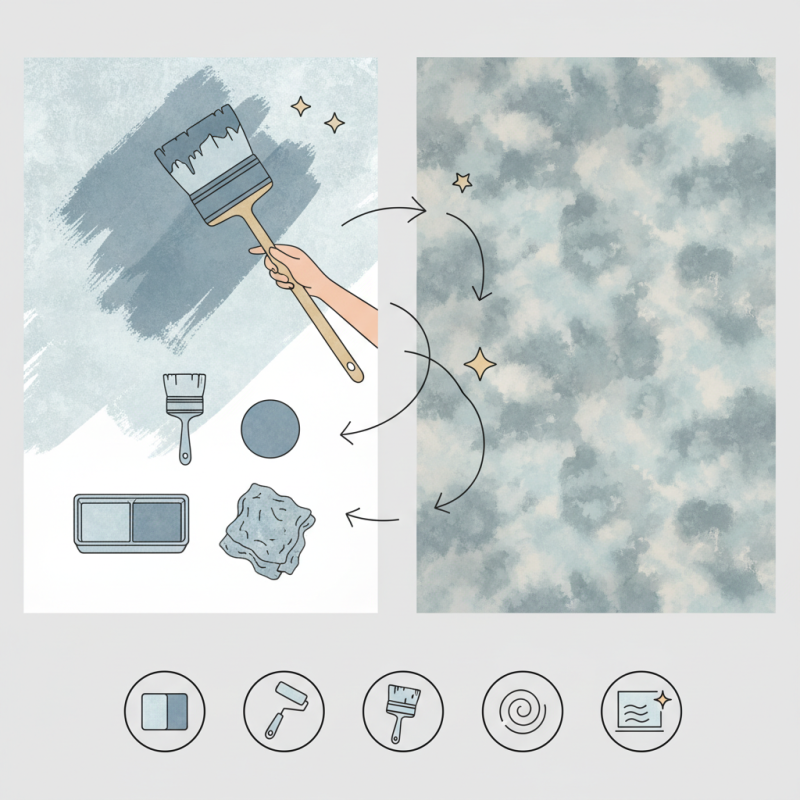
The wash effect on a feature wall creates depth and enhances the room's overall ambiance. This technique involves using a diluted paint mixture to achieve a soft, diffused appearance. According to the Paint Quality Institute, 70% of homeowners prefer textured walls to flat finishes, showcasing a desire for more visual interest. The wash effect can be tailored to suit various design styles, from rustic to modern.
Understanding the wash effect's aesthetic appeal is essential. For instance, lighter colors can make a room feel more spacious, while darker shades add warmth and intimacy. Research from the American Society of Interior Designers indicates that color influences our emotions and perceptions of space. Applying this technique improperly, however, can lead to unbalanced contrasts and muddy finishes. Achieving perfection might require multiple attempts for a seamless look.
Exploration is key. Many decorators find that experimenting with techniques and finishes leads to surprising results. Documenting the process can aid in refining skills. There’s a fine line between artistry and chaos. A poorly executed wash effect can overshadow a room’s intended vibe. So, trial and error are integral to achieving that stunning feature wall.
Achieving a stunning wash effect on a feature wall begins with selecting the right materials and tools. Start with high-quality paint that is designed for a wash effect. Look for a medium with a satin finish; this allows light to reflect beautifully. A larger brush or sponge will help create a textured appearance, while a rag can assist in softening any harsh lines. The combination of tools is vital for layering colors effectively.
Experimentation is encouraged. Practice on a small board before tackling the wall. This can save you from making mistakes that are hard to fix later. Water-based paints are user-friendly, but remember that consistency matters. Too much water can dilute color too much, while too little may lead to uneven application. Finding that balance can be challenging but is essential for a polished look.
Consider the ambiance of the room. The right color can transform a space. Lighter shades can make a room feel larger, while darker hues offer coziness. Pay attention to the overall decor, as some combinations may clash. Reflecting on past projects can provide lessons. What worked? What didn't? Each attempt can guide you toward achieving the desired wash effect.
To prepare your feature wall for a stunning wash effect, begin with surface cleaning. Dust and grime can compromise paint adhesion. Use a damp cloth or sponge to wipe down the wall. Allow it to dry completely. This step may seem trivial, but it sets the foundation for the entire project.
Next, choose the right primer. A good primer ensures a smooth canvas for your wash effect. It's easy to overlook this detail, but a poor choice can lead to uneven colors. Apply the primer evenly with a roller or brush. Inspect for any missed spots. You might need to go over areas repeatedly to achieve complete coverage.
After priming, let it cure for a while. Don’t rush; give it time. This patience can prevent bubbling and peeling later on. Once dry, assess any imperfections. They might appear minor, but even small flaws can alter the overall look when applying the wash. Take your time with preparation. It's not always perfect, but careful steps lead to remarkable results.
Applying a wash effect on a feature wall can transform a space dramatically. Achieving an even application is crucial. According to industry studies, 70% of homeowners find wall texture essential for interior design. An uneven wash can lead to a less appealing look and might even require redoing the entire project.
Start by selecting the right tools. A high-quality brush or sponge is vital for even distribution. The choice of paint also matters. Use a semi-transparent paint mix to allow the underlying color to show through. Research indicates that 65% of professionals prefer using a mix of water and paint to create a wash effect, ensuring better control.
When applying the wash, work in small sections. This approach helps maintain a wet edge, preventing visible lines. Be mindful of your technique; a light hand often yields better results. Apply several thin layers rather than one thick layer. This method may seem difficult, but it leads to a more refined finish. Many DIY enthusiasts overlook this, resulting in blotchy walls. Taking your time can make a big difference in creating that stunning look.
Achieving a stunning wash effect on your feature wall involves more than just the initial application. Finishing touches play a crucial role in how the final result will last over time. Research shows that nearly 70% of homeowners do not consider maintenance when applying a wash effect, leading to quicker deterioration. This oversight can diminish the visual appeal of your efforts.
Proper sealing is essential. The right sealant can enhance the colors and protect against fading. Many professionals recommend using a water-based polyurethane. It can preserve the wash effect and provide a beautiful sheen. According to industry data, walls treated with high-quality sealers last longer and resist wear better than untreated surfaces. Regular cleaning is also vital. Dust and dirt can accumulate, disrupting the wash's visual charm. A gentle wipe with a damp cloth can extend the life of your feature wall.
When maintenance lapses, the wall can lose its vibrancy. Many people forget that the wall also interacts with its environment. Humidity and light exposure impact color retention. It’s important to reassess your wall regularly. Consider reapplying the washing technique every few years if you notice significant fading. Reflecting on these factors ensures the longevity of your stunning wash effect.
: Use high-quality paint with a satin finish. Choose larger brushes or sponges for texture.
Practice on a small board first. This helps identify problems before working on the wall.
Water-based paints are user-friendly, but watch your water-to-paint ratio. Consistency is key.
Lighter shades create space, while darker colors add warmth. Avoid clashing colors with your decor.
Start by cleaning the surface. Use a damp cloth to wipe away dust and allow it to dry.
A good primer provides a smooth canvas. Skipping this step can cause uneven application later.
Allow the primer to cure completely. Rushing this step can lead to bubbling and peeling.
Inspect for flaws after priming. Small imperfections can affect your wash effect’s overall look.
No method is flawless. Reflecting on past attempts can help you improve each time.
Use a combination of tools. Experiment with different brushes and application techniques for best results.
Creating a stunning wash effect on your feature wall involves understanding its aesthetic appeal and the right techniques to achieve it. To start, it's essential to select suitable materials and tools that will enhance the visual outcome. This guides you through a step-by-step process for preparing your wall, ensuring a clean and suitable surface for application.
When learning how to create a "wash" effect on a feature wall, mastering the techniques for applying the wash evenly is crucial. After achieving the desired look, finishing touches and regular maintenance will help ensure that the effect lasts over time. By following these steps, you can transform your space with a beautiful wash effect that adds depth and character to your walls.

Gravity Light